
Victron Energy
A lithium leisure battery gives you far more usable power than lead-acid at a fraction of the weight, and it lasts thousands of cycles. That's why it's the standard in our own installs. Pick a size to suit how you travel, or read our leisure battery guide first.
Shop by range: Fogstar Drift · Victron Lithium
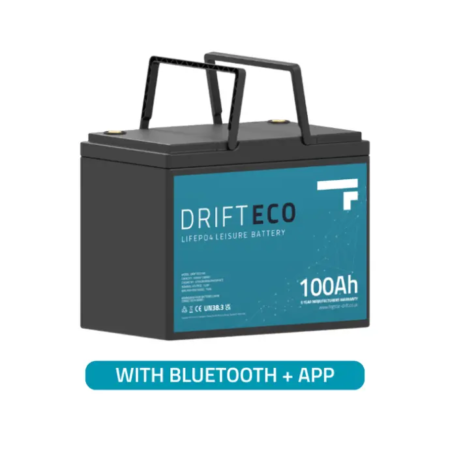
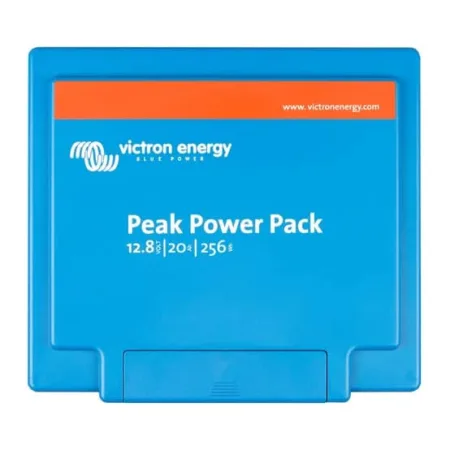
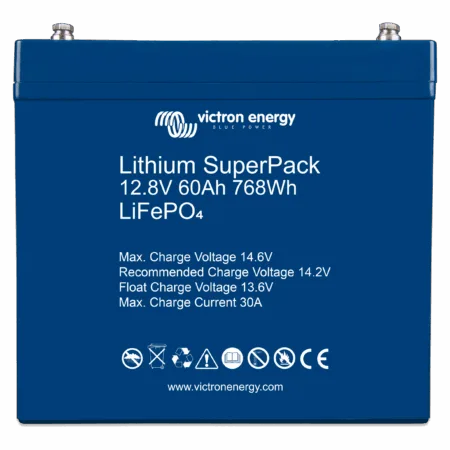
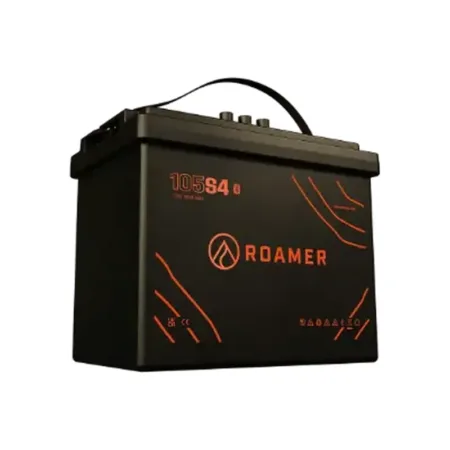
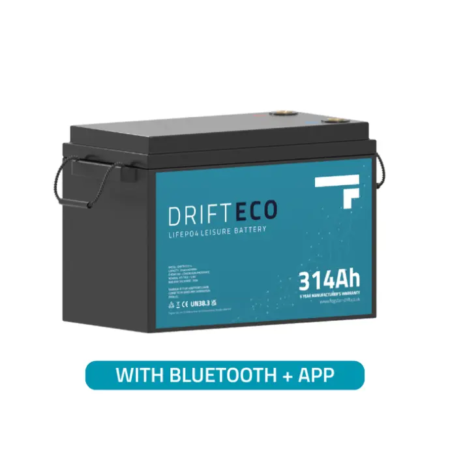
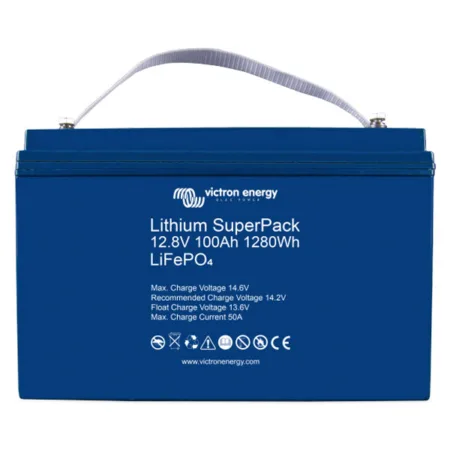
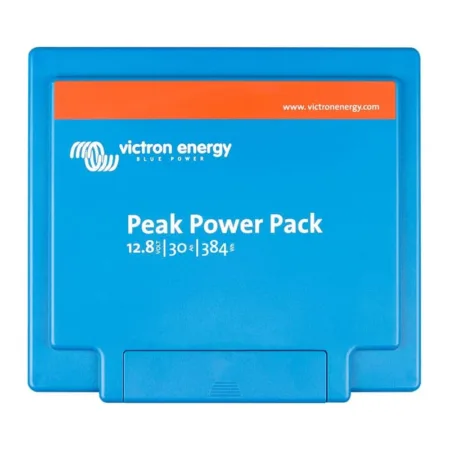
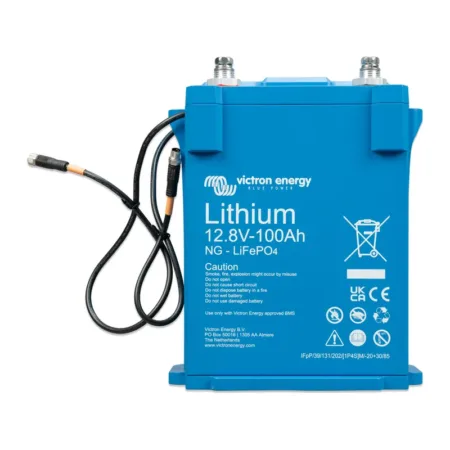
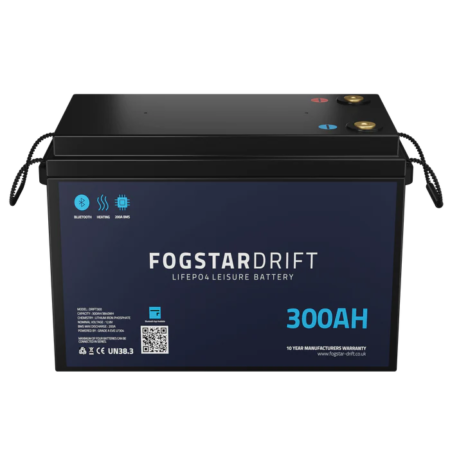
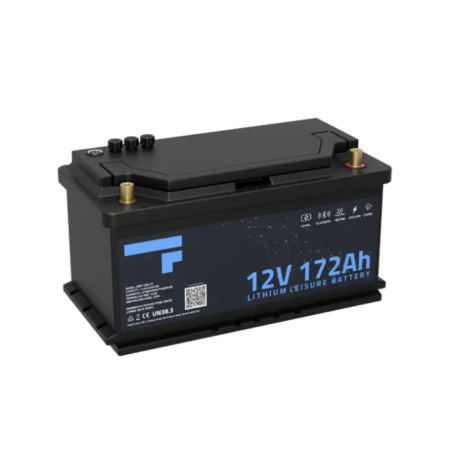
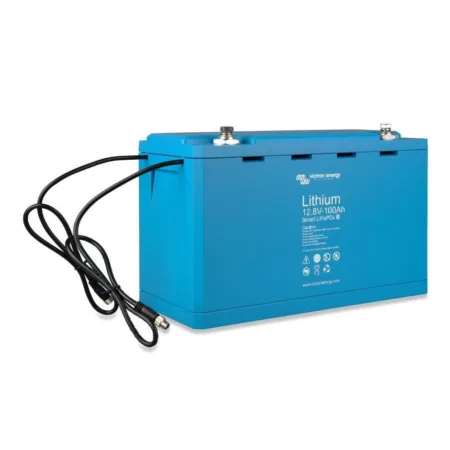
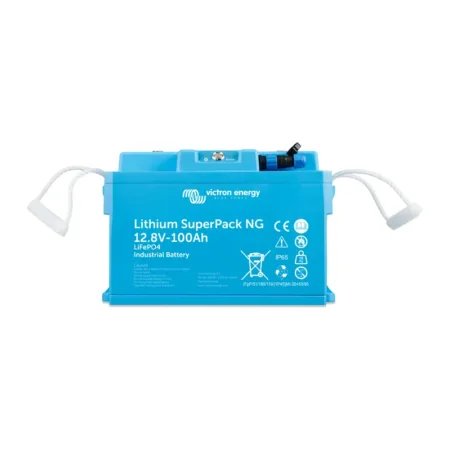
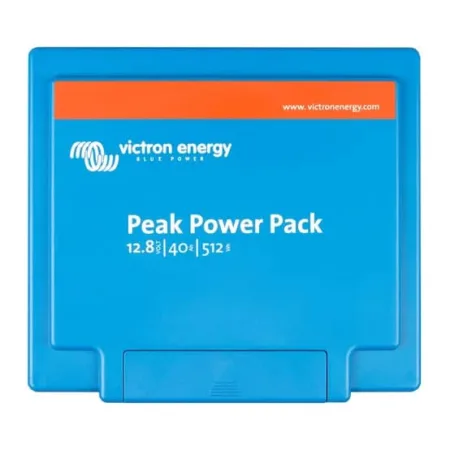
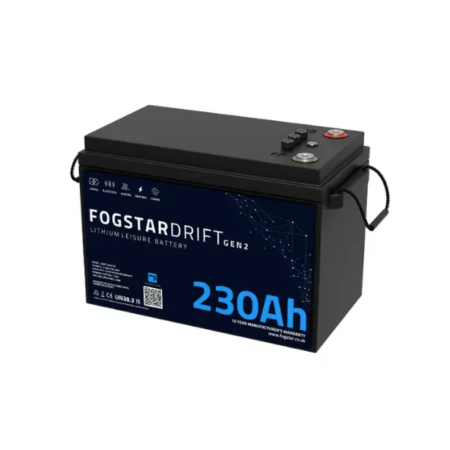
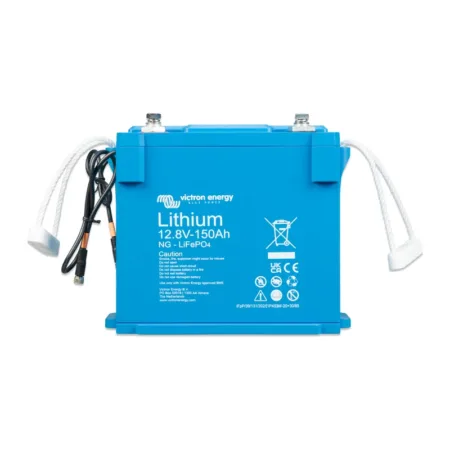
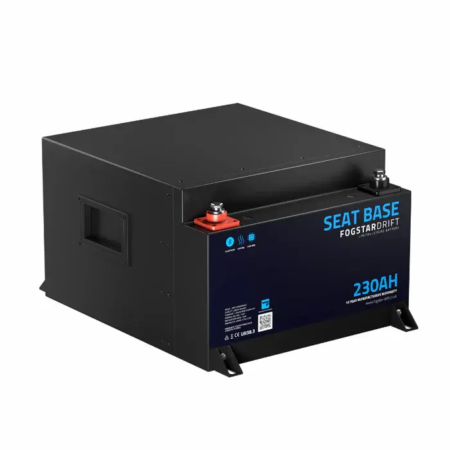
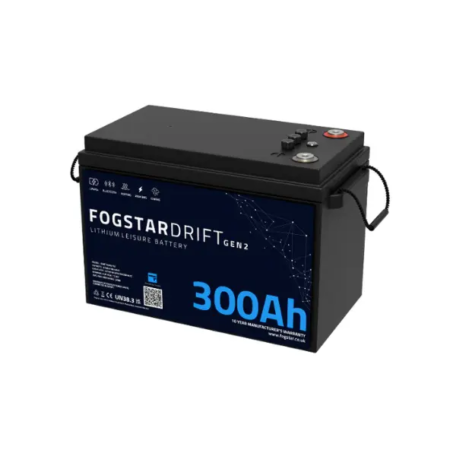
A lithium leisure battery stores the power that runs your van when the engine is off. It keeps the fridge cold, the lights on and your phone charged, and with a big enough bank it will run an induction hob too. We fit lithium in every campervan and motorhome system we build, because it gives you more usable power for less weight and lasts far longer than lead-acid. This guide covers how to pick the right one, how to charge it, and what to check before you buy.
Not always. A leisure battery is any battery built for slow, deep use in a van, boat or cabin, rather than for starting an engine. Most vans still leave the factory with a lead-acid leisure battery, either flooded, gel or AGM. A lithium battery is the upgrade. Nearly all lithium leisure batteries use lithium iron phosphate, often written LiFePO4. It's a different chemistry from the lithium in your phone, and it's the one we recommend for vans.
The short answer is usable power, weight and life. Here's how each one works.
An AGM leisure battery is a sealed lead-acid battery with the acid held in glass mats. It's cheap and simple, but to make it last you should only use about half of its rated capacity. Take it lower, often, and it wears out quickly.
A lithium leisure battery lets you use most of its rated capacity, day after day. So a 100Ah lithium battery gives you close to twice the usable power of a 100Ah AGM. It also weighs much less, holds its voltage steady as it drains, and charges faster. That last point matters in a van, because you get more back from a short drive or a few hours of sun.
Here's how the two compare:
| AGM leisure battery | Lithium leisure battery | |
|---|---|---|
| Usable capacity | About 50% | Most of the rated capacity |
| Weight | Heavy | Much lighter |
| Life | A few hundred deep cycles | Thousands of cycles |
| Charging | Slow at the top end | Fast, if the charger suits lithium |
| Upfront cost | Low | Higher |
For most people who use their van off hook-up, yes. Lithium costs more to buy, but you get more usable power from each battery and it lasts many times longer. Work out the cost per cycle and lithium usually comes out ahead. You also save weight, which helps if your van is close to its payload limit.
If you only use your van on sites with hook-up, and only now and then, a good AGM battery can still make sense. We'll tell you straight on a call if lithium isn't worth it for the way you travel.
A good LiFePO4 battery is a safe choice for a van. The chemistry is stable and it doesn't run hot the way some other lithium types can. Every battery we sell has a built-in battery management system, or BMS. The BMS protects the cells from charging too high, draining too low, too much current and charging in the cold.
The rest of the safety comes from how it's fitted. Your lithium battery needs a fuse right next to it, cable sized for the current, and a proper isolator. If your van has 230V on board, the installation should follow BS 7671, including Section 721 for caravans and motor caravans. That's the work we do every day in our Cumbria workshop.
Start with what you use in a day. Add up the amp hours (Ah) for each thing you run. As a rough guide for a 12V system:
Most weekend vans use 60 to 100Ah a day, so a 200Ah lithium battery gives two or three days off-grid before you need to charge. If you want to cook on induction or run a coffee machine, you need a much bigger bank and an inverter charger to match. Our Flagship Gasless systems use about 600Ah of lithium for that reason.
Then think about charging. Solar and driving put power back in every day, so you rarely start from empty. A bigger battery gives you more days in hand in winter, when there's less sun.
Most campervans run happily on 12V. Bigger systems, with heavy 230V loads, often move to 24V or 48V. At a higher voltage the same power flows at a lower current, so cables can be thinner and less energy is lost as heat. If you're planning a large inverter, ask us which voltage suits your build before you buy the battery.
Lithium needs the right charge settings. Most modern chargers have a lithium or LiFePO4 profile, but older ones may not. Check each of these:
Cold weather is the one thing to plan for. Most lithium batteries must not charge below 0°C, and the BMS will stop charging to protect the cells. If you use your van in winter, fit the battery inside the heated space, or choose one with low-temperature protection or a built-in heater.
A battery monitor makes life easier. A shunt such as the Victron SmartShunt reads exactly what goes in and out, so you know your real state of charge on your phone.
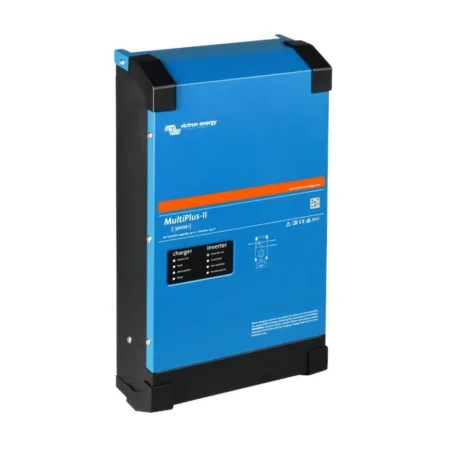
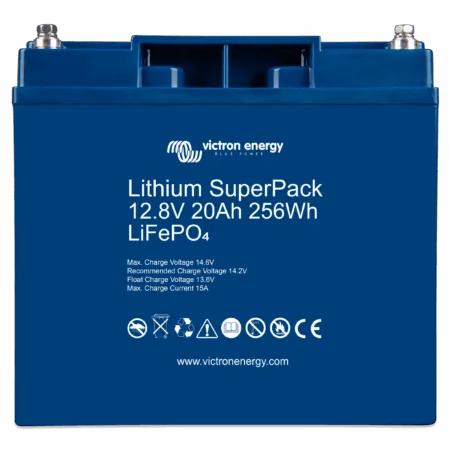
We stock lithium from Victron Energy and Fogstar, the same batteries we fit in our own installs. If you'd rather we did the whole job, see our campervan installs. If you're building it yourself, our DC to DC charger guide and the Victron lithium battery range are good places to start. For the 230V rules, the IET's BS 7671 page sets out the standard.
Not sure which lithium leisure battery suits your van? Book a free 30-minute call and we'll help you size it.
A good LiFePO4 battery lasts thousands of charge cycles. Used well, that's many years of regular van trips, far longer than an AGM battery.
Usually, yes. You'll need to check that your chargers have a lithium setting, and you may need a DC to DC charger for the engine. We can check your setup on a call.
No. They charge at different voltages, so mixing them in one bank damages one or both. Replace the whole bank at once.