What it costs to power a glamping pod, shepherd's hut, cabin or holiday-park unit by generator, by grid or by solar and battery, and how quickly each unit pays back. Worked on 19 years of Cumbrian weather and this week's fuel prices, with every figure linked to where it came from.
 Authorised Victron Energy Installer
If a unit would otherwise run a small petrol generator for 4 to 6 hours a day, solar and a lithium battery cut that to a few hours a year in our Cumbrian sums. A system at our £2,495 + VAT starting price pays for itself in 2.6 to 3.9 years on fuel alone, and from then on the saving is margin.
On the off-grid cabins we monitor, 99% of the energy between 27 April and 24 October 2026 came from the sun. Against a new grid connection, off-grid often wins on day one once you add the trench across your own land. In a campervan it rarely pays back in hook-up fees. It pays back in where you can stay.
Every litre a generator burns comes off the margin on the night you let. Solar and a lithium battery take most of that cost away, and the unit goes quiet.
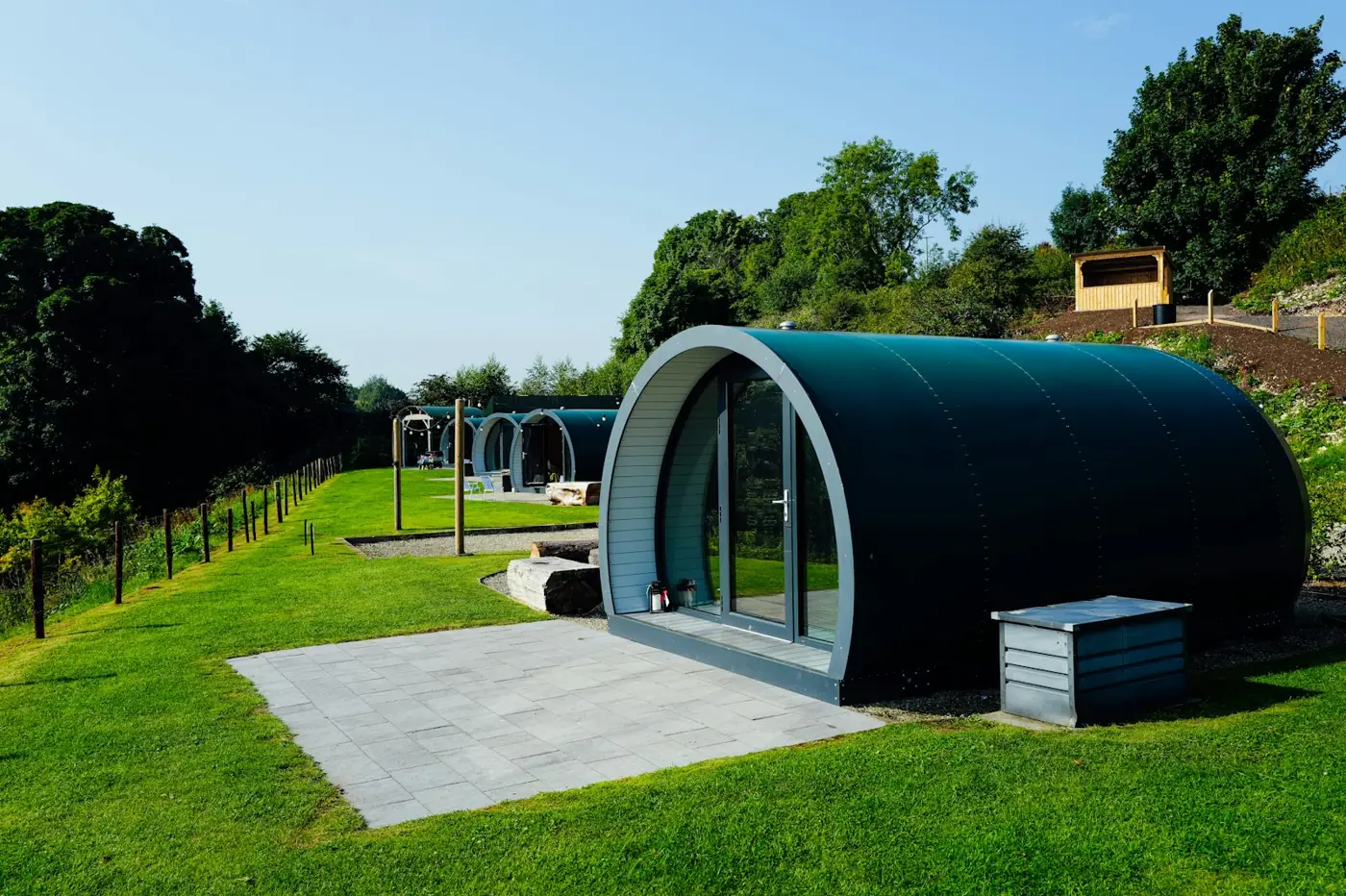
In our worked examples, a unit running a small petrol generator 4 to 6 hours a day spends £647 to £970 a year on fuel. With solar and a battery doing the work, that falls to £3 to £13 a year.
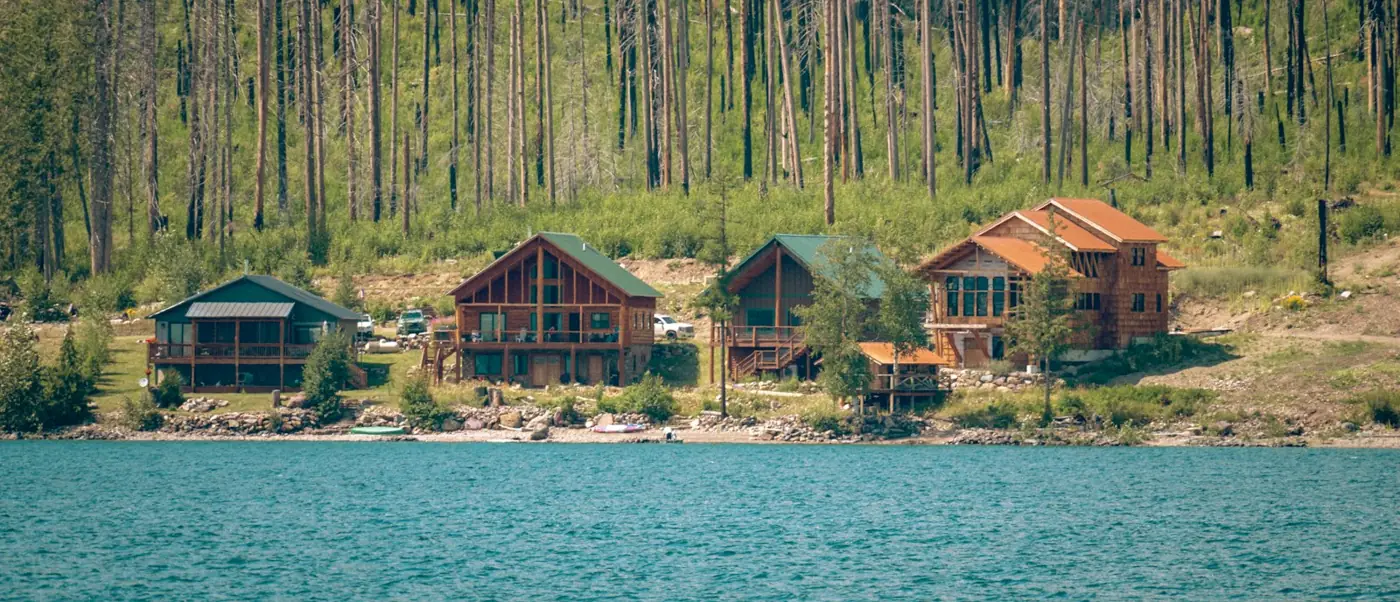
Stock photo, for illustration
At our £2,495 + VAT starting price, each unit pays for itself in 2.6 to 3.9 years on fuel alone. After that, the £644 to £962 a year it saves stays in your margin, unit after unit.
Stock photo, for illustration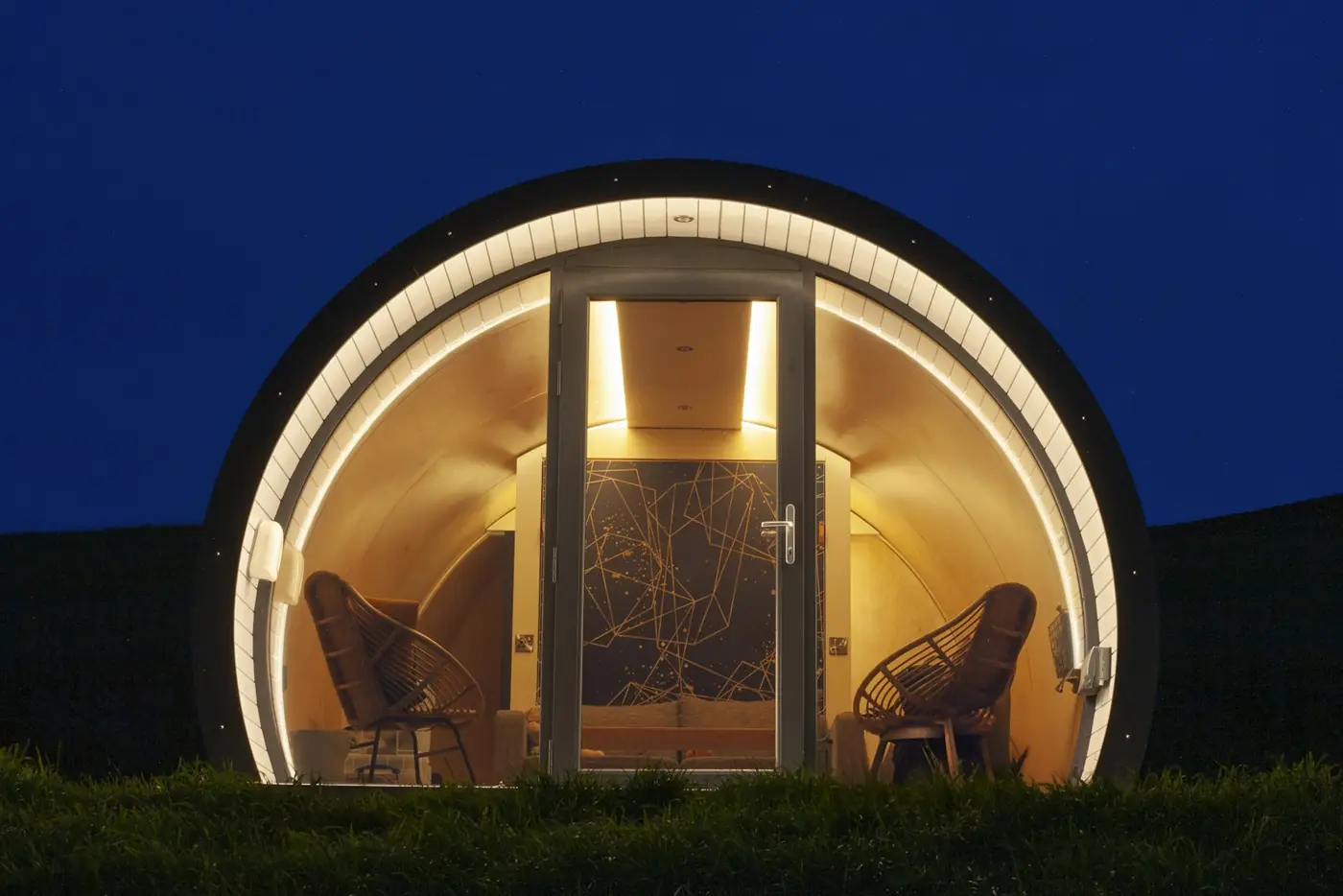
No engine running outside the window most of the year, and no fumes drifting across the deck. No trench, meter cabinet or supplier account for every unit, and far fewer fuel runs for you or your team.
Stock photo, for illustrationPick the kind of unit you let and what powers it now. You get the saving and payback for each unit, and the total across your site. It runs the same day-by-day sums as the worked examples below, on Cumbrian sun.
Per unit, every year
Your figures appear here
Nothing is chosen for you. Pick your unit and what you'd do otherwise, and your saving and payback show here straight away.
Generator top-up by month, averaged over 2005 to 2023.
Sun: PVGIS, Witherslack, panels at 35° facing south. Fuel without VAT from DESNZ, week of 19 October 2026: petrol 145.5p, diesel 166.1p. Diesel top-ups assume the same 6kVA set worked at three-quarters load, 1.8 litres an hour on its maker's sheet, which needs a charger the size of a 48/5000 inverter/charger. Grid running cost uses Ofgem's October to December 2026 cap: 26.32p a kWh and 54.83p a day. Business tariffs aren't covered by the cap. This is a guide, not a quote.
The same four units as our daily-use examples. Each sits on an example system sized for the sums, let 250 nights a year, against a small petrol generator running for the busy hours of the day.
0.47 kWh a day · example system: 2.5 kWh battery, 0.8 kWp solar
3.9years to pay back
Saved £644 a year on fuel
Generator only
Solar and battery, generator as backup
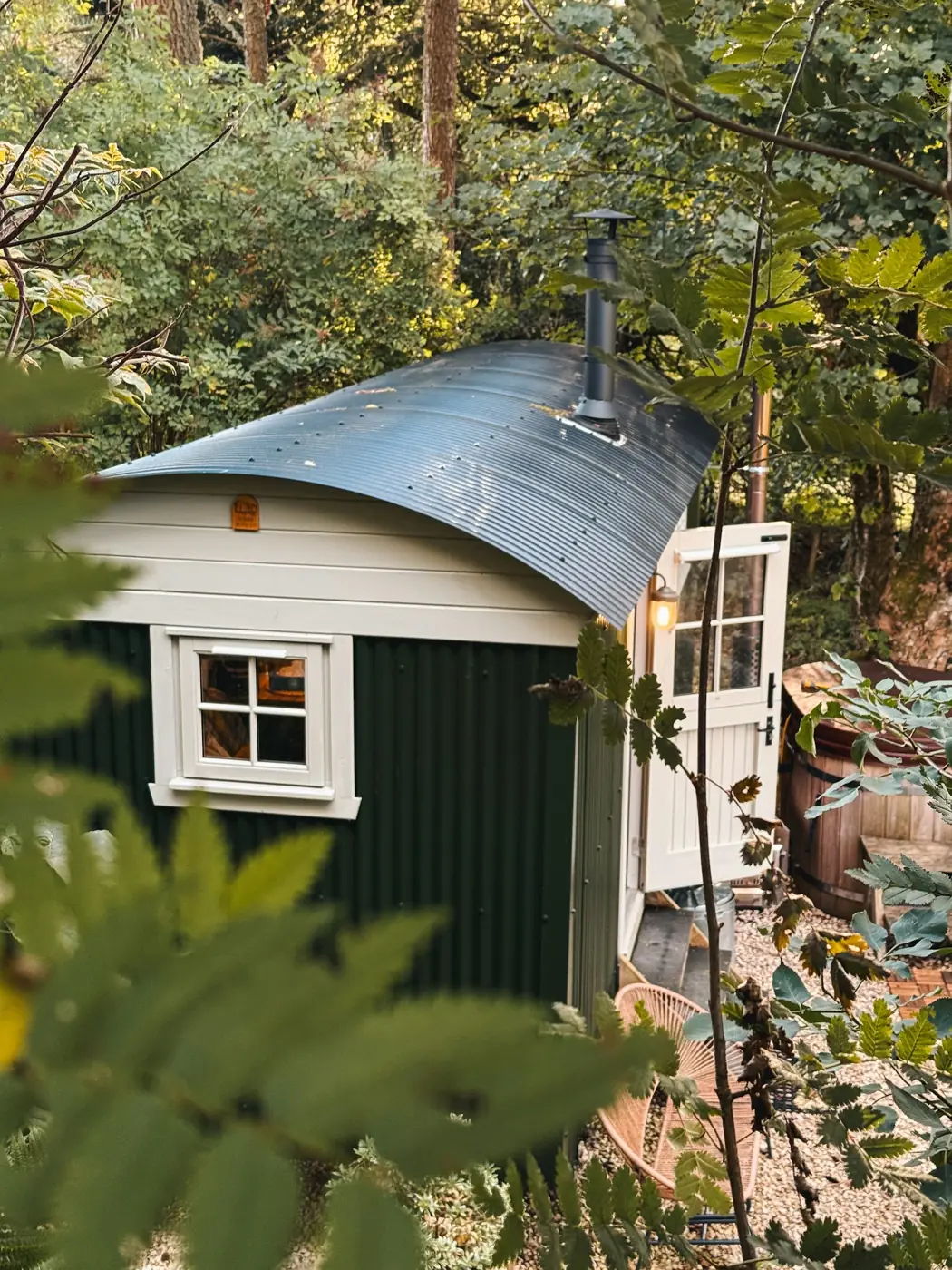
0.66 kWh a day · example system: 2.5 kWh battery, 0.8 kWp solar
3.1years to pay back
Saved £796 a year on fuel
Generator only
Solar and battery, generator as backup
1.01 kWh a day · example system: 5 kWh battery, 1.6 kWp solar
2.6years to pay back
Saved £962 a year on fuel
Generator only
Solar and battery, generator as backup
1.25 kWh a day · example system: 5 kWh battery, 2 kWp solar
2.6years to pay back
Saved £957 a year on fuel
Generator only
Solar and battery, generator as backup
Payback uses our £2,495 + VAT starting price against fuel saved, with VAT taken off the pump price. If you aren't VAT registered, both sides go up by a fifth, so the years stay the same. A bigger system pays back more slowly: every extra £1,000 adds roughly a year.
These four are illustrative. Their daily use is built up from appliance datasheets, and real cabins use more once the background draw is counted. The typical small cabin we monitor needed about 1.5 kWh a day in summer 2026, and the fully metered systems drew 0.5 to 0.95 kWh a day before anyone switched anything on (see the logged figures). If your unit uses more, it needs a bigger battery and more solar, so we work every quote from your own numbers.
The money that matters is what each unit costs up front and what it keeps costing every year, whether guests turn up or not.
| Generator only | New grid connection | Solar and battery | |
|---|---|---|---|
| Up front | The generator, a fuel store and somewhere to put it out of earshot | From £1,300, average £1,790 inc VAT for one single-phase connection in the North West, before any digging on your land | Cabin systems from £2,495 + VAT, built for your unit |
| Every year | £647 to £970 in petrol for our four examples, plus an annual service | About £200 standing charge per meter even when the unit is empty, then 26.32p a kWh | A few pounds of fuel for the odd winter top-up in our examples |
| Waiting time | Same week | About 6 weeks from paying the quote, once you're ready on site | Built and bench-tested in our Witherslack workshop, delivered ready to connect |
| On site | Engine noise for guests, fuel runs, and no red diesel for a holiday let | A trench, a meter cabinet and a supplier account for every meter | No engine running most of the year, and every unit visible on VRM from your phone |
| Best for | Short-term or occasional use | Units close to an existing supply | Remote pitches, and any site where the trench costs more than the system |
£1,790average, one connection
1 litreper kWh at light load
The examples above are worked from datasheets. These figures are logged. They come from the Victron VRM monitoring on the off-grid cabins we look after, between 27 April and 24 October 2026. Owners and sites stay private.
27 April to 24 October 2026: 3,211 kWh of solar against 32 kWh from generators, across every cabin reporting.
Not one cabin reporting to us ran a generator from May to August 2026. From 1 to 24 October, one cabin out of 18 needed a top-up.
Median of 11 cabins, May to August 2026, counting everything the system supplied. The busiest cabin's biggest month averaged 2.1 kWh a day (July 2026).
Background draw on the fully metered cabins we monitor, month after month, May to October 2026. The inverter idling, the system electronics and charging losses all take their share.
kWh a day, median per cabin, 9 to 11 cabins each month, 2026. *October is 1 to 24 October. Our monitoring history starts on 27 April 2026, so there are no winter months here yet. We'll add November to February once they're logged.
Across 10 cabins we monitor, metered appliance use was a median 50% of the energy the system supplied (May to October 2026). The rest is the background draw: a Victron MultiPlus-II 48/3000 alone uses 11W just sitting there, about 0.26 kWh a day by Victron's datasheet, and the battery and monitoring electronics and charging losses add to it.
Size a cabin from its appliance list alone and the battery comes up short. We add the background draw first, then the appliances.
Most of these cabins have gas or other fuel for heating and cooking. An all-electric cabin uses a lot more, and we size those from the appliance list up.
Average output a day from 1 kWp of panels at our workshop, across 19 years. June gives over five times what December does, so the battery and the backup are sized for the dark months and summer looks after itself.
kWh a day per kWp, PVGIS-SARAH3, 2005 to 2023. Orange months average under 1 kWh a day.
A van system won't pay for itself in hook-up fees at club sites. The Caravan and Motorhome Club knocks a few pounds a night off for going without electric, so twenty off-grid nights in late autumn saves about £90.
Where a lithium and solar system earns its keep is where you can stay: a farm stop, a festival field or a quiet pitch with no bollard, with the fridge running and the phone charged. That's the case for it, and we won't dress it up as a fuel saving.
| Going without hook-up | Off a pitch and two adults |
|---|---|
| September | £1.70 a night |
| October | £3.50 a night |
| November and December | £4.50 a night |
Caravan and Motorhome Club non-electric saver, checked 24 October 2026.
The sums only hold if the system is built properly. Here's what goes into every board we ship.
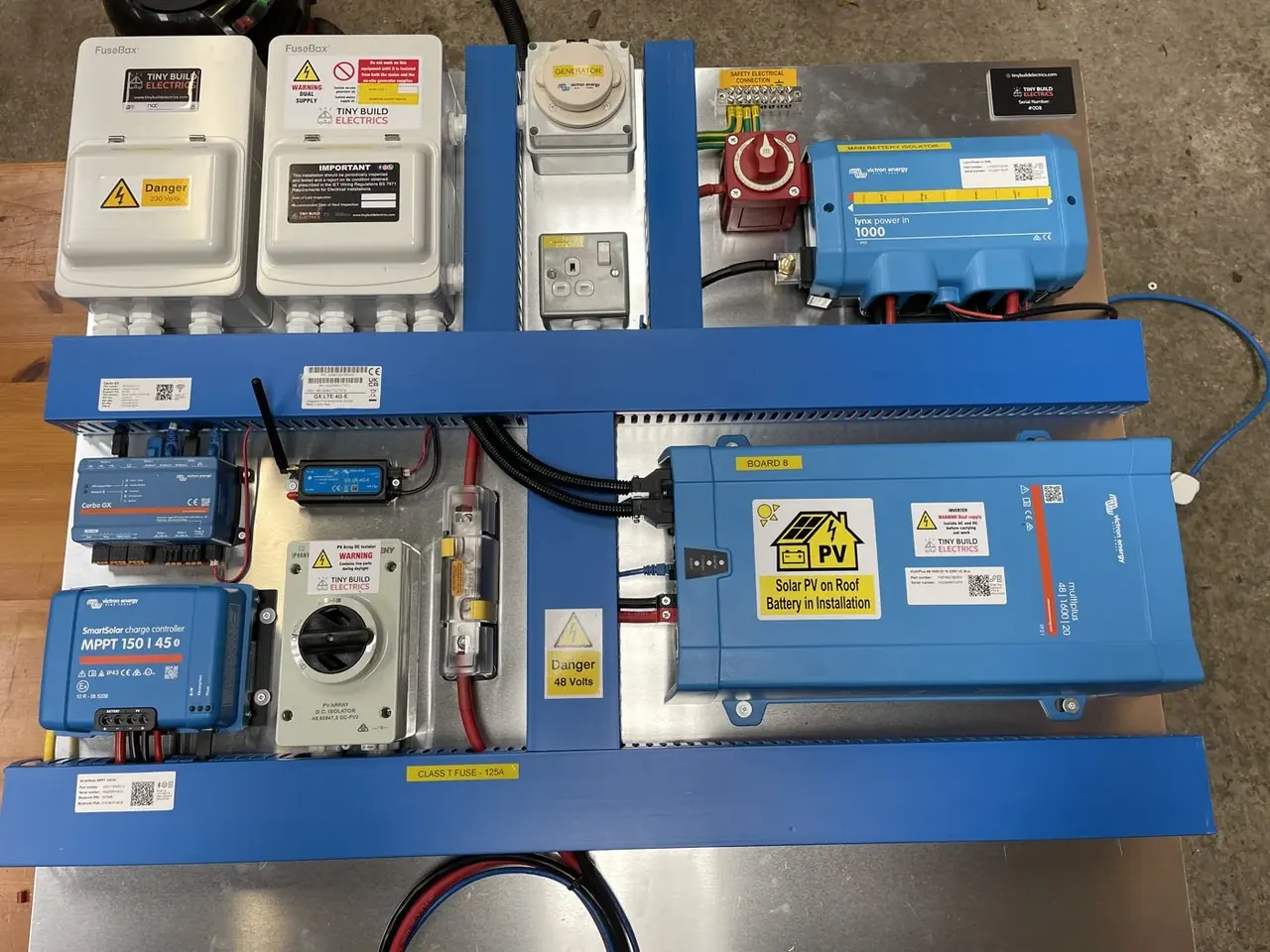
Listed on Victron's own installer finder at our Witherslack workshop.
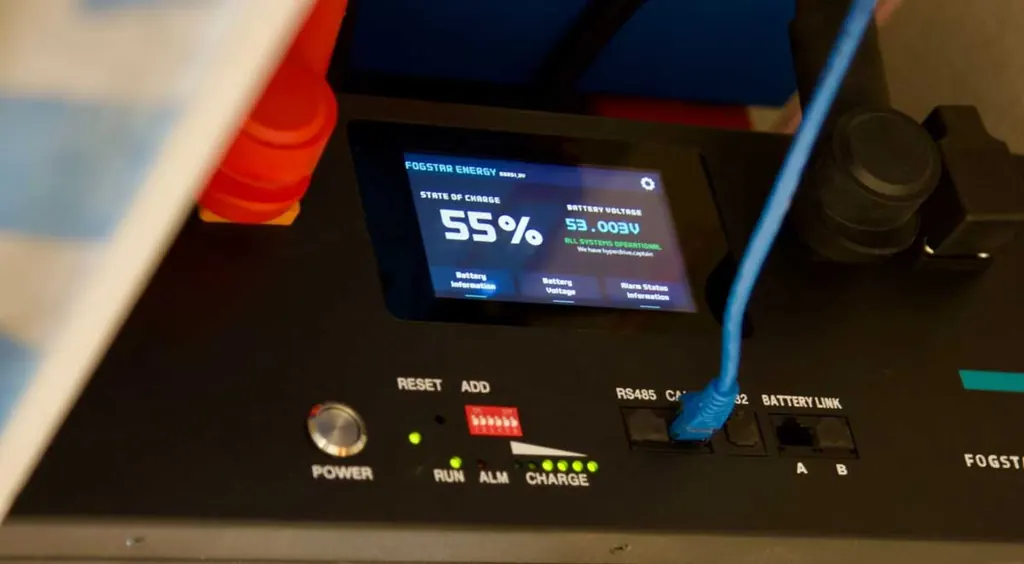
Fogstar lithium batteries paired with Victron inverter/chargers and solar charge controllers.
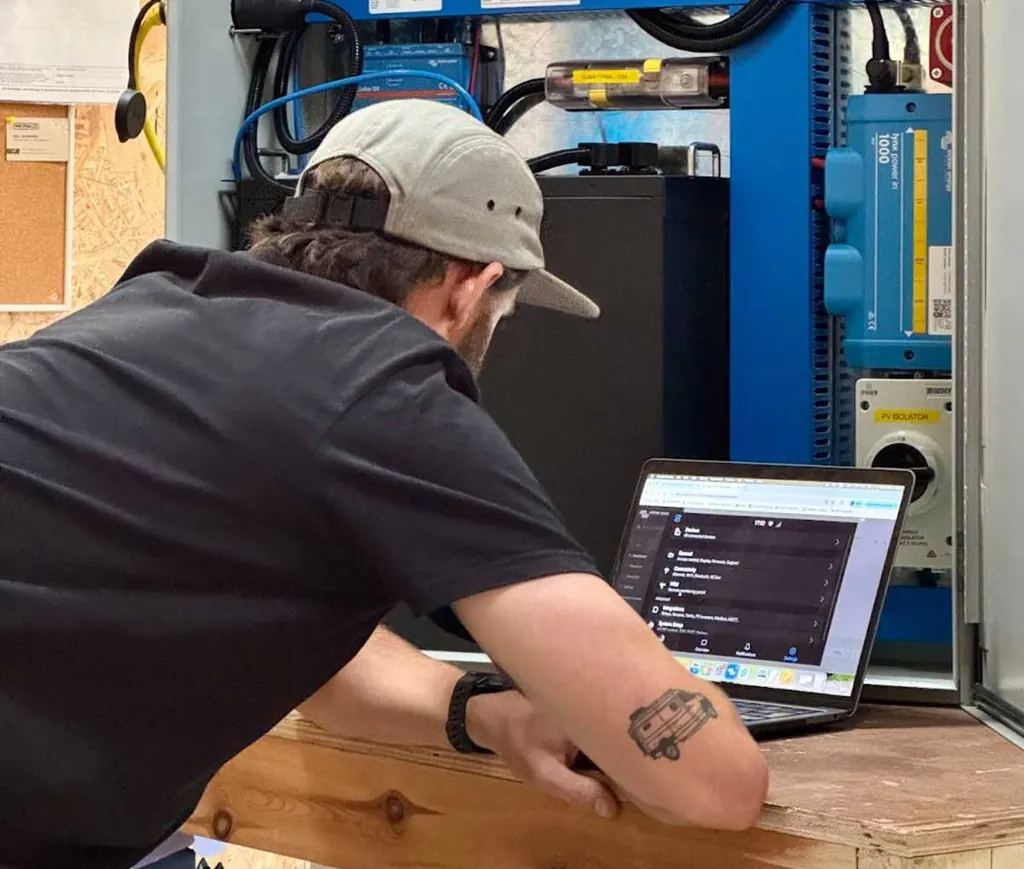
Every unit reports to Victron VRM, so you and we can see the whole site from one dashboard, and the GX can start a backup generator on battery level.
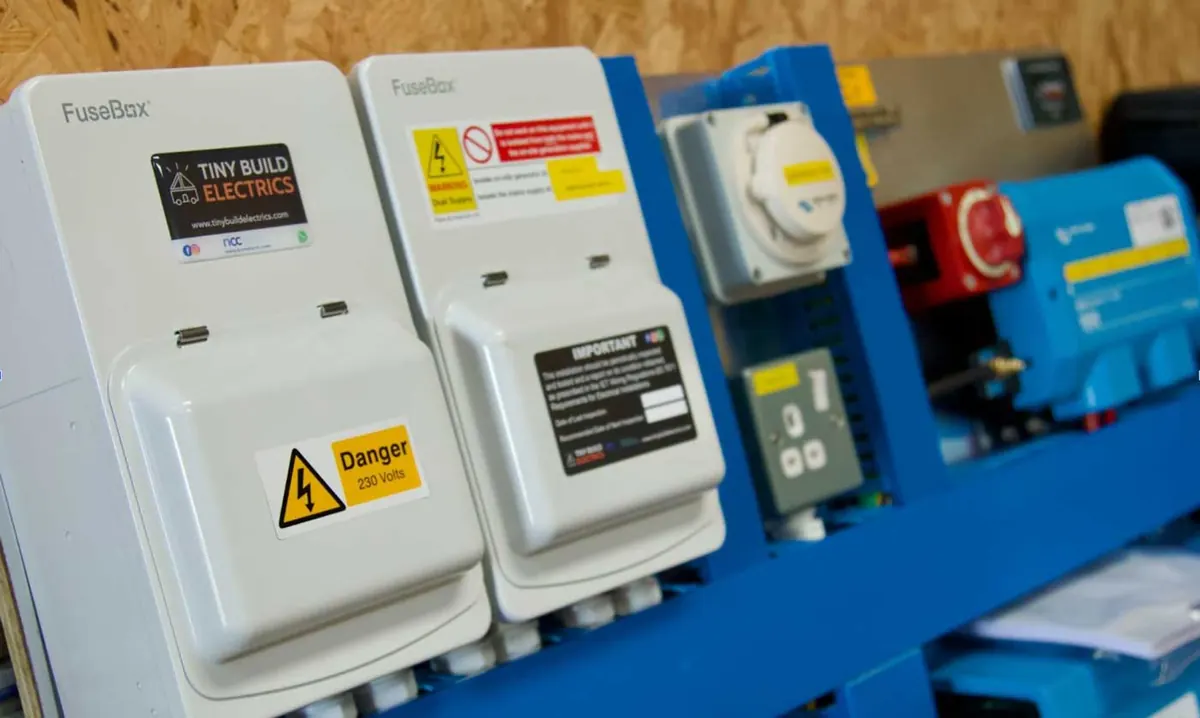
Boards are built and bench-tested in our workshop before they leave.
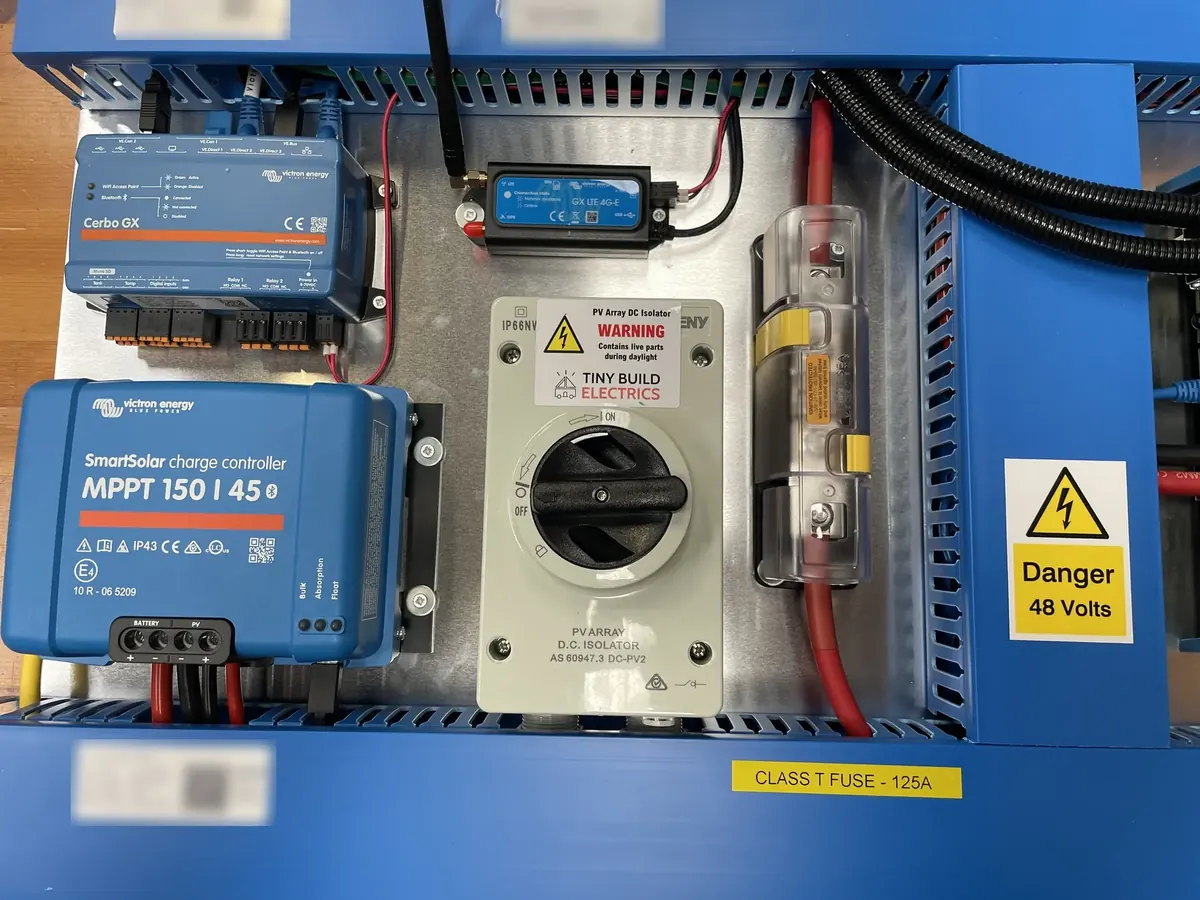
Tightened to the maker's figure and marked with a torque pen, so you can see at a glance nothing has moved.
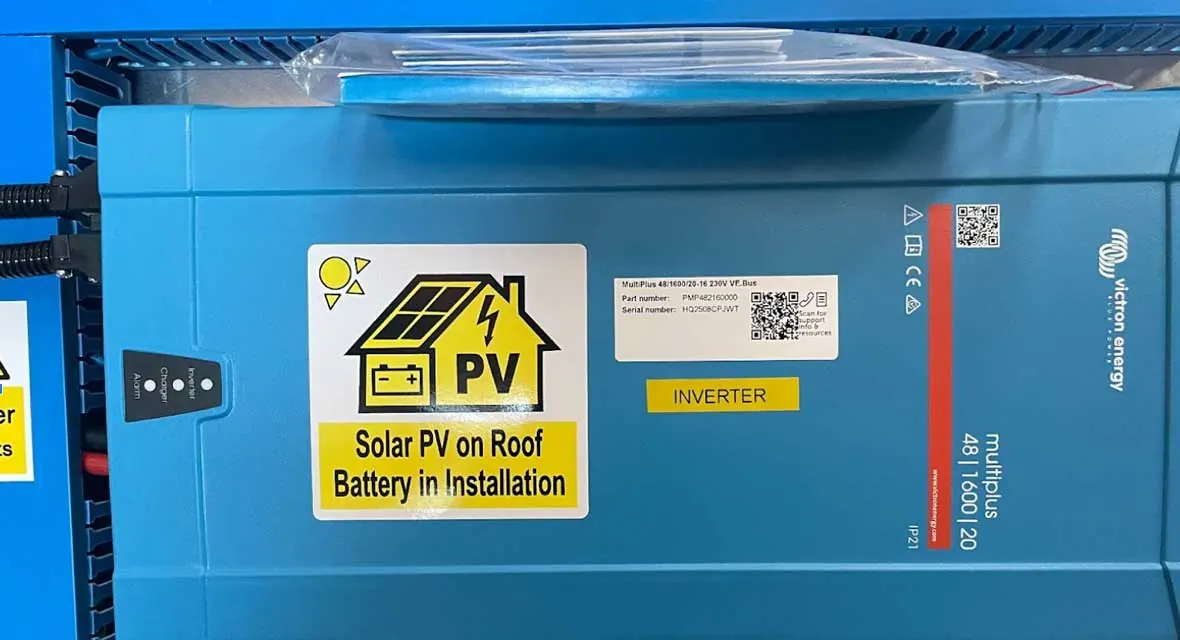
On installs you get an Electrical Installation Certificate, with the 230V side designed and tested to BS 7671:2018+A4:2026.
Send us your units and your postcode. Tom will run them on your site's sun and come back with a system, a price and the payback for each unit.
Figures checked 24 October 2026
Our cabin systems start from £2,495 + VAT, and every system is priced to your build after a call. What moves the price is how much power the unit uses in a day, the battery that carries it through a grey week and how much winter sun your site gets.
On the off-grid cabins we monitor, a typical small cabin needed about 1.5 kWh a day in summer 2026: the median of 11 cabins from May to August. Between 0.5 and 0.95 kWh of each day went on background draw before anyone switched anything on, from the inverter idling, the system electronics and charging losses. Most of these cabins have gas or other fuel for heating and cooking. We have no winter figures yet, so we size for winter from your site's sun data and your appliance list.
In our worked examples it takes 2.6 to 3.9 years on fuel alone. That is for a pod, hut, cabin or holiday-park unit that would otherwise run a small petrol generator for 4 to 6 hours a day, 250 nights a year, on a system at our £2,495 + VAT starting price. Every extra £1,000 on the system adds roughly a year. We have not counted generator servicing or fuel runs, so the real payback is likely shorter.
It comes down to distance. Electricity North West quotes one new single-phase connection from £1,300, with an average of £1,790 including VAT, and says digging, permits and distance from the network add to that. After that you pay a standing charge on every meter, about £200 a year at the October to December 2026 price cap, even when the unit is empty. If your quote plus the trench on your own land comes to more than the off-grid system, off-grid is cheaper from day one.
More than most people think when it is lightly loaded. The maker of a common 2.2kVA petrol inverter generator gives 8.1 hours from its 3.6 litre tank at a quarter load, which is about 0.44 litres an hour, or roughly a litre for every kWh. At its full 1.8kW it runs 3.2 hours, about 0.63 litres per kWh. That is why a generator charging a battery hard for a short time burns far less than one idling all evening.
HMRC's Excise Notice 75 allows red diesel in a generator only where the power is mainly for premises not used for commercial purposes. A glamping site or holiday let is run to make a profit, so plan on road diesel or petrol and check the notice for your own case.
Not on its own every single day. At our Witherslack workshop, 1 kWp of panels averages 0.75 kWh a day in December and 4.01 in June, across 19 years of satellite data. We size the battery to carry the unit through grey spells and let a backup generator cover the rest. A Victron GX device can start and stop it on battery level. In our four examples that comes to a few hours of generator a year.
Not much in hook-up fees. The Caravan and Motorhome Club takes off up to £4.50 a night for a pitch and two adults in November and December if you go without electric, and less earlier in the season. A van system earns its keep by letting you stay where there is no bollard, with a fridge that keeps running.
We total your loads from the makers' datasheets, run your site's sun day by day from PVGIS, the European Commission's solar data, and price fuel from the government's weekly road fuel figures. You see the battery, the solar, the generator hours left and the payback before you commit.