
Do you need to fit a DC isolator to your Solar Installation?
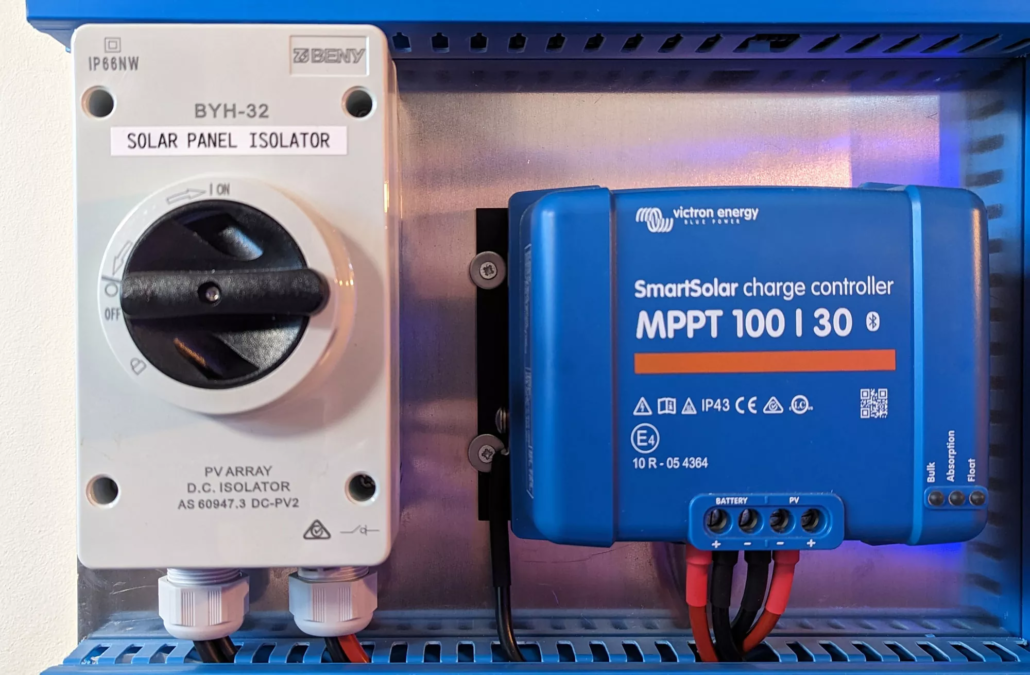
A topic which has sparked a lot of conflicting opinions is the use of DC isolators within solar installations, specifically between the PV panels and the electronic equipment.
In this guide we will take a look at the information provided to us by the wiring regulations and IET code of practices to see if we can de-bunk the opinions flying around on the ever opinionated social media platforms.
What the British Standard 7671 Wiring Regulations say regarding DC Isolation?
712.537 Isolation and switching
712.537.2 Isolation
712.537.2.101 To allow maintenance and replacement of the inverter, means of isolating the inverter from the DC side and the AC side shall be provided.
712.537.2.2 Devices for isolation
712.537.2.2.101 A switch disconnector or a circuit-breaker suitable for isolation shall be provided on the DC side of the inverter.
Our tiny build systems and components are slightly different to the above mentioned by BS7671. That’s because these regulations are aimed specifically towards PV installations in domestic, commercial and industrial applications that use a solar inverter to convert the DC into AC straight away rather than a solar charge controller and battery setup.
A solar inverter is not to be confused with the type of inverters we commonly use to supply 230V items in our campervans. A Solar Inverter is a device that converts direct current (DC) electricity, which is what a solar panel generates, to alternating current (AC) electricity, which the electrical grid uses. These units often have double pole isolators built into them, therefore mitigating the requirement for a external DC isolator.
Due to the regulations not mentioning anything regarding MPPT Solar Charge Controllers (DC/DC) it therefore leaves us with no other choice as designers than to assume worst case scenario and to include a means of isolation.
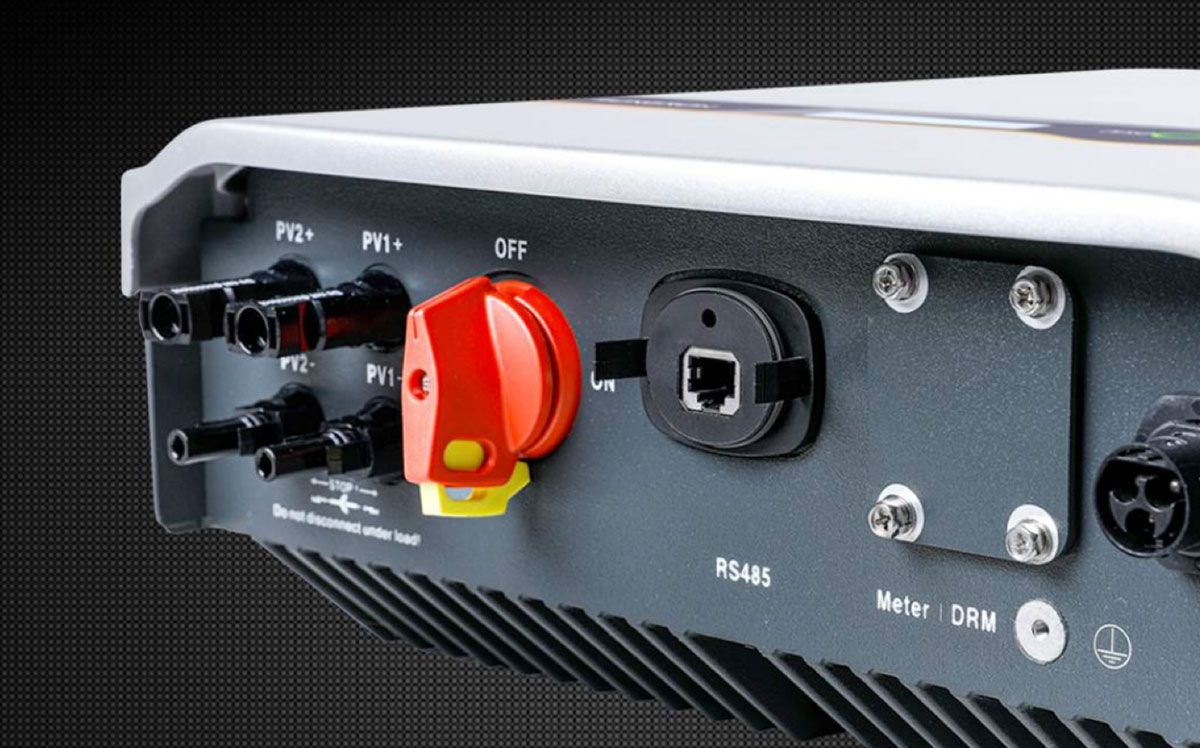 A Solar Inverter with built in DC Isolator. Commonly used in Domestic applications.
If the MPPT controller was in need of replacement or maintenance, the DC supply from both the battery and solar panels would need to be isolated in order for the system to be considered ‘safely isolated’. The easiest way to isolate these supplies would be via isolators.
So BS7671 is very clear in that it states you do require a DC isolator in order to isolate the DC supply, but it only specifically mentions inverters with no mentioned of charge controllers or any other electronic devices.
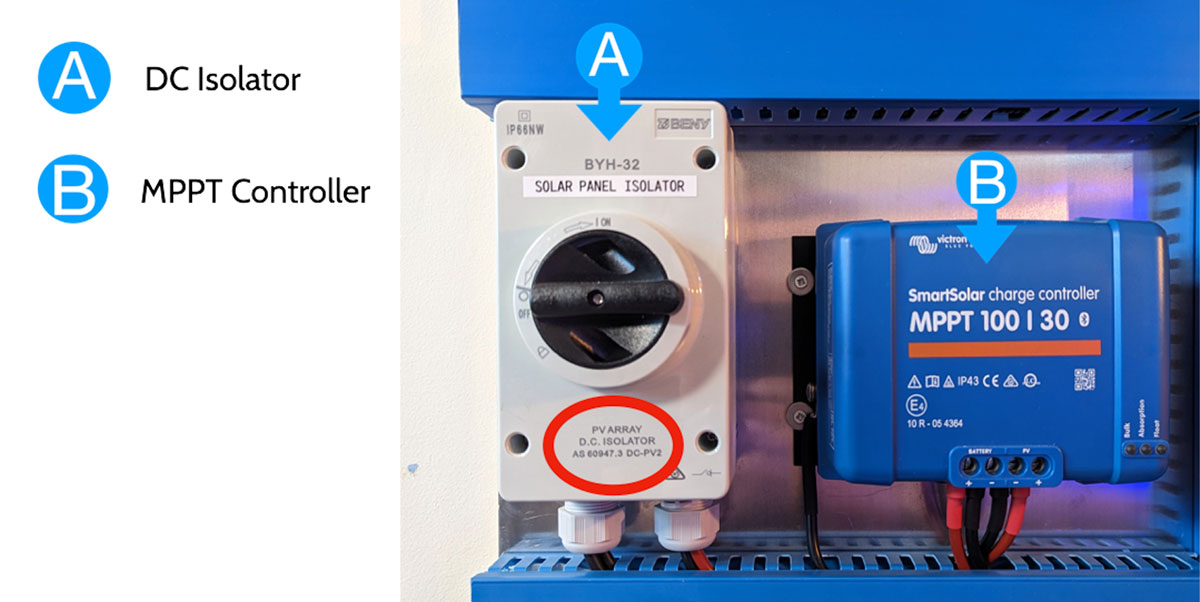 A Tiny Build Electrics installation using a DC Isolator, conforming to 60947-3, to isolate the solar panels from the rest of the installation.
IET Code of Practice – Grid Connected Solar Voltaic Systems
The IET Code of Practice guide gives us a little bit more information and slightly less ambiguity when it comes to our solar installations within our campervans, motorhomes and tiny builds. This code of practice is specifically looking at Grid Connected Systems, and although campervans and motorhomes have stand alone, off-grid systems, they
often connect to the grid via the shore power inlets which then makes them a grid connected system and therefore
this code of practice does certainly have relevance when referring to their installations.
Before looking at the table provided by the IET Code of Practice its worth noting the definitions of the below:
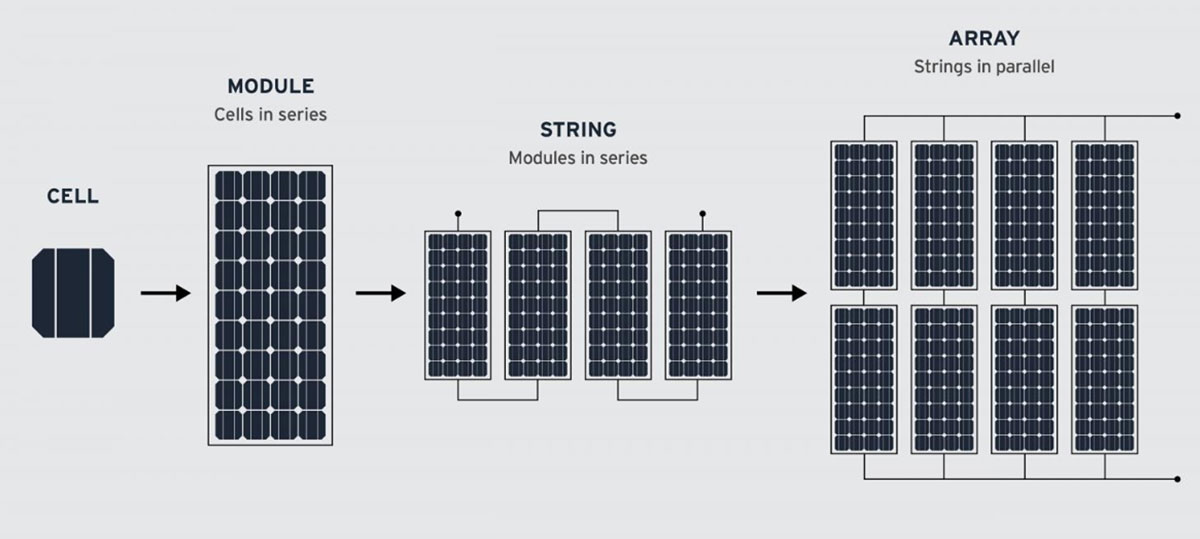
PV String – When modules are connected in series fashion, this forms a string. In a string, the voltage adds up though the current remains the same.
PV Array – When modules are connected in series and parallel fashion, this forms an array. In an array, the current adds up when connected in parallel and the voltage adds up when connected in series.
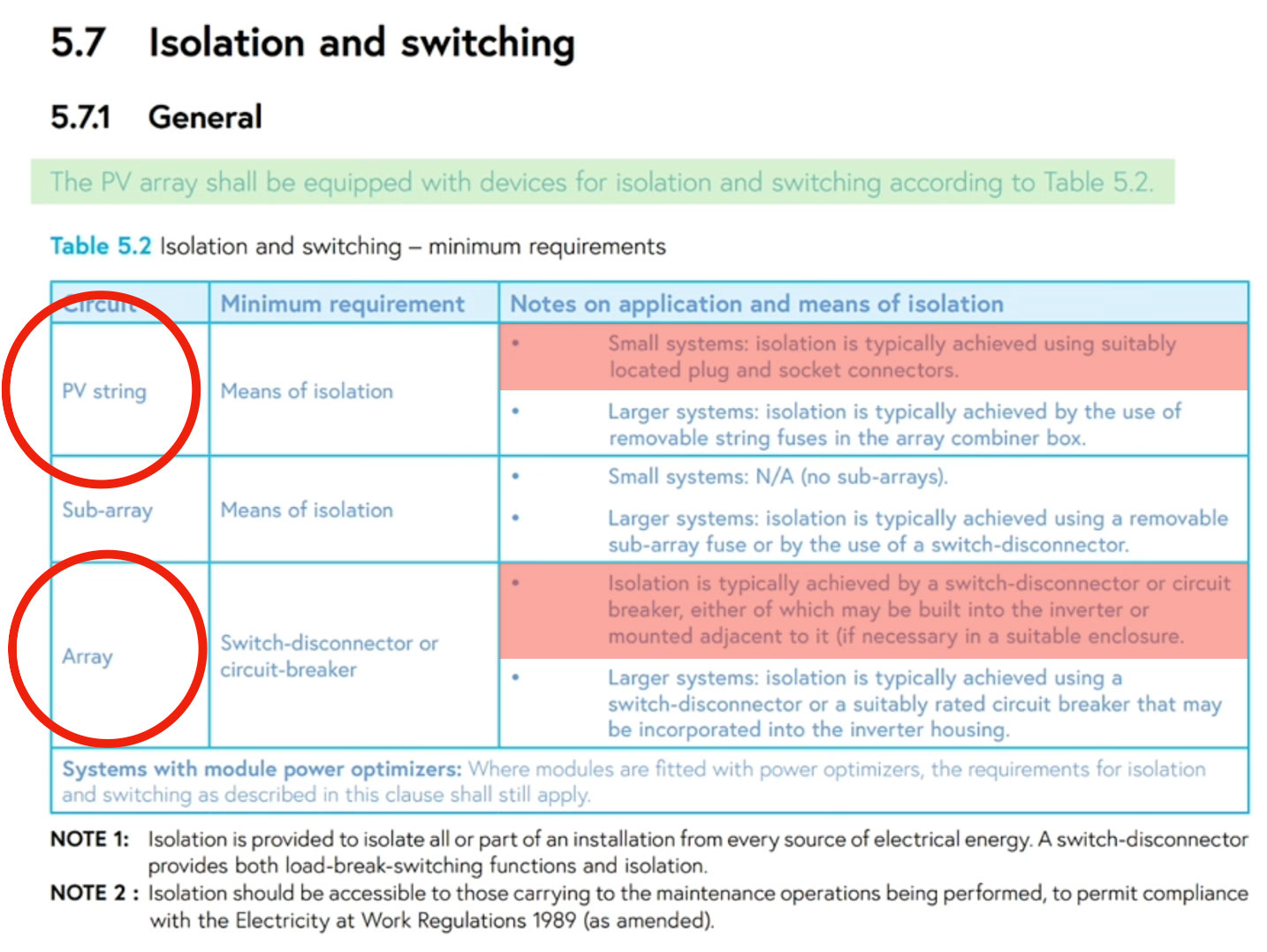
1. PV String – The minimum requirement as a means of isolation for small systems is typically achieved using suitably located plug and socket connectors.
Referring back to the definitions above, it seems that most campervan and motorhome PV installations can be considered a string due to the small number of panels and systems being commonly wired in series, therefore according the the ‘Notes on application and means of isolation’ section, technically do not require an isolator or switch disconnecter.
In this instance, a MC4 connector, which is deemed as a ‘suitable plug and socket connector’, will be sufficient. Just remember that this is a minimum requirement and for both safety and practicality, we still recommend DC isolators for all of our systems.
The main reason that we at Tiny Build Electrics do not advocate using the MC4 connector as a method for isolation is that the connectors must be located in an area that is practical and accessible. The roof of the campervan, where most MC4 connectors are located on campervans and motorhomes, is neither practical or readily accessible.
2. Array – Isolation is typically achieved by a switch-disconnecter or circuit breaker, either of which may be built into the inverter or mounted adjacent to it. (if necessary in a suitable enclosure).
Once again, referring to the definitions above a parallel connected set of modules (solar panels) would arguably be noted as an array and therefore requires isolation on the DC side. According to note above set out by the IET
‘Isolation is typically achieved by a switch-disconnecter or circuit breaker.’
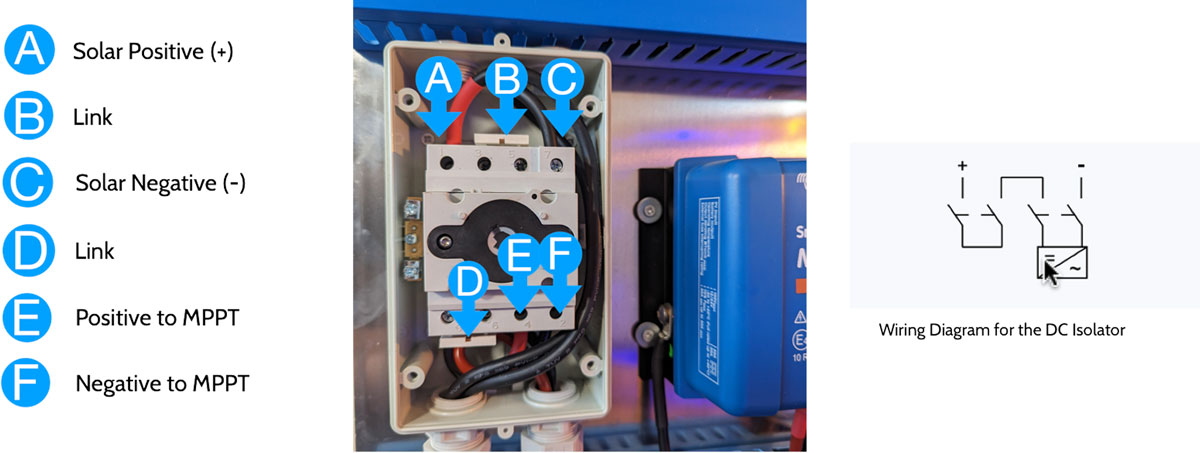 The inside of a DC isolator used to isolate solar panels in a campervan’s electrical system
Table 537.4 – Guidance on the section of protective, isolation and switching devices
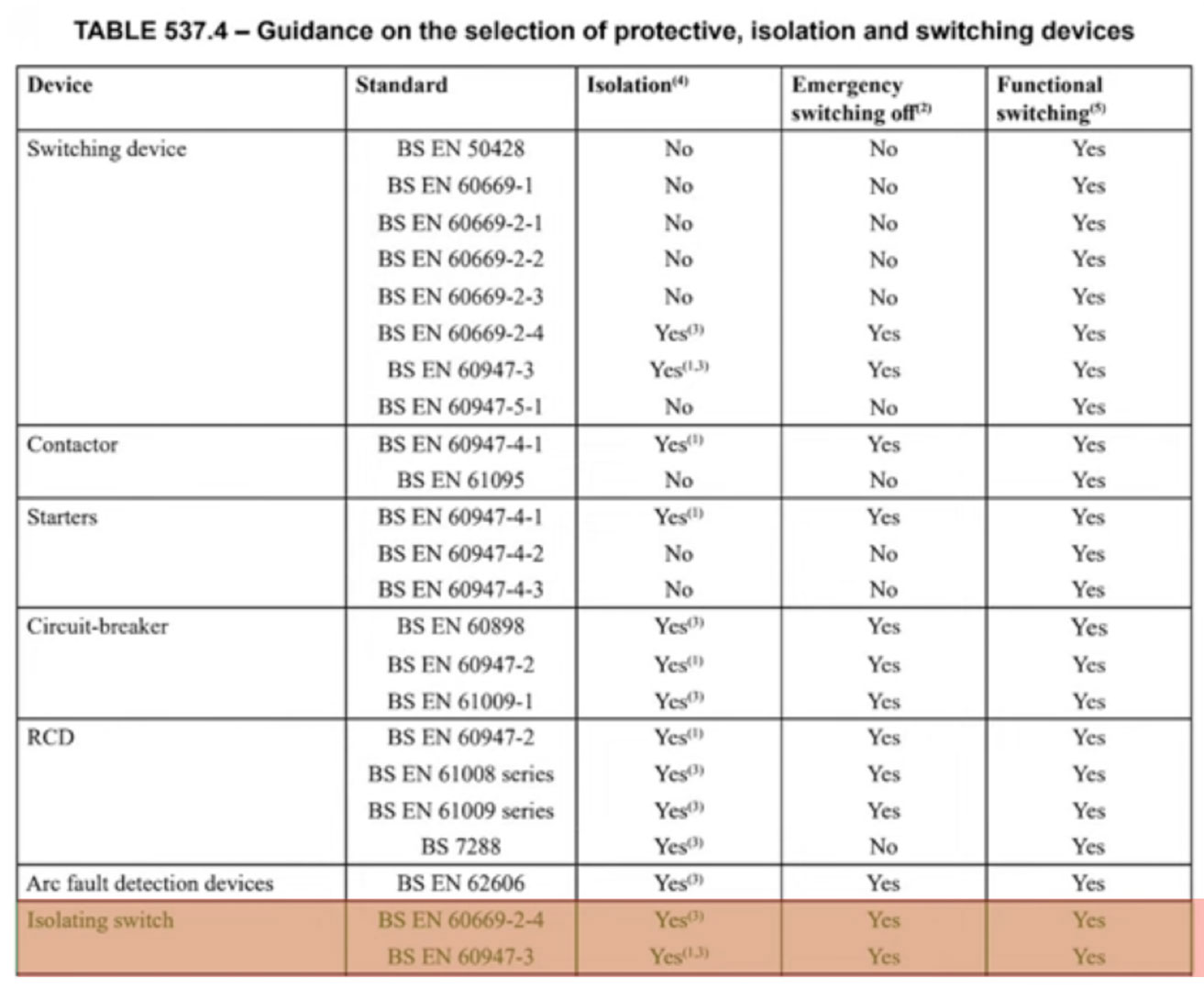
We at Tiny Build Electcrics always recommend that you use an isolator, irrespective of your solar panel setup. The isolator used to isolate your PV panels must meet the British Standards set out in the table above.
The isolator must comply with BS EN 60669-2-4 and/or BS EN 60947-3 in order to be compliant with the British Wiring Regulations.
Do the above code of practices and regulations take campervans and motorhomes into consideration?
The best practices and regulations mentioned above do not specifically take campervans and motorhomes into consideration but that does not mean we can’t use the information provided to be compliant and ensure our installations are not only meeting the minimum requirements but going above and beyond to be safe.
BS7671 Section 721, Electrical installations in caravans and motor caravans focus directly on the electrical systems within motor caravans. This section merely notes the deviations from the rest of BS7671, so we’re seemingly left to read between the lines here.
The likelihood of a solar panel or solar charge controller getting damaged and/or needing maintenance in a campervan or motorhome is higher than in a house or building which do not move, vibrate, or get driven down a bumpy old track to get to the best surf location! This is one of the key reasons to install an isolator.
Argument against DC Isolators
An argument against DC isolators is that they cause a resistance in the solar panel cables and therefore reduce the current carrying capacity of the cable and as a result the output from the MPPT solar charge controller could suffer and will therefore be unable to produce the optimum charge current. Although this has some truth, the way in which the cables are terminated into the isolator plays a big part in reducing the resistance.
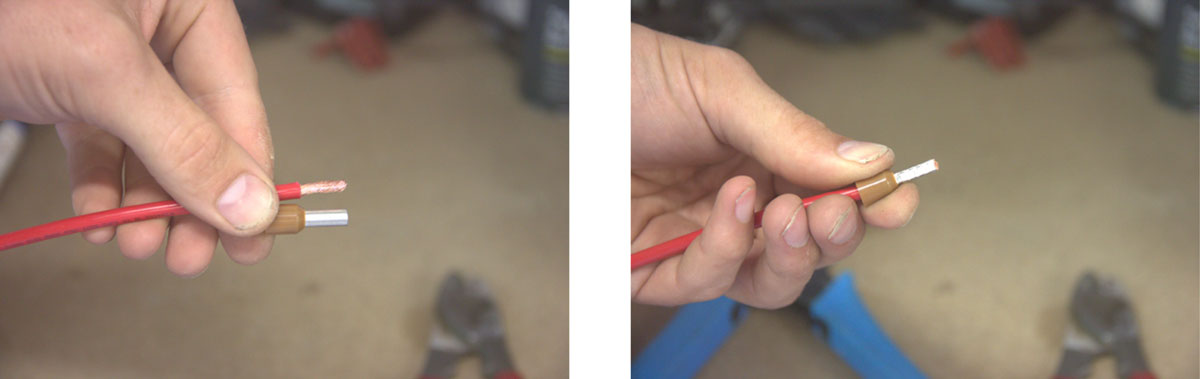
In most installations we see the multi stranded cable coming from the solar panels have been twisted together and poorly terminated into the contacts of the DC isolator. The strands are either damaged and/or missing, caused by pressure put on the cores when stripping away the cable’s insulation.
The use of ferrules here is paramount as it contains all the strands into one ferrule which not only makes a better contact within the isolator, but also makes it easier for the installer to locate the cable in the terminal.
Conclusion
We at Tiny Build Electrics approach this with a ‘belt and braces’ method way of thinking and always insist a DC isolator be present between the solar panels and the solar charge controller.
Should the solar charge controller need isolating for maintenance or replacement, one flick of the isolator and the MPPT is safely isolated from the solar panels. Having to disconnect MC4 connectors, whether placed on the roof or in a cupboard, is more leg work and not deemed as safe.