
How to Choose the Right DC Fuse for a Lithium Campervan System
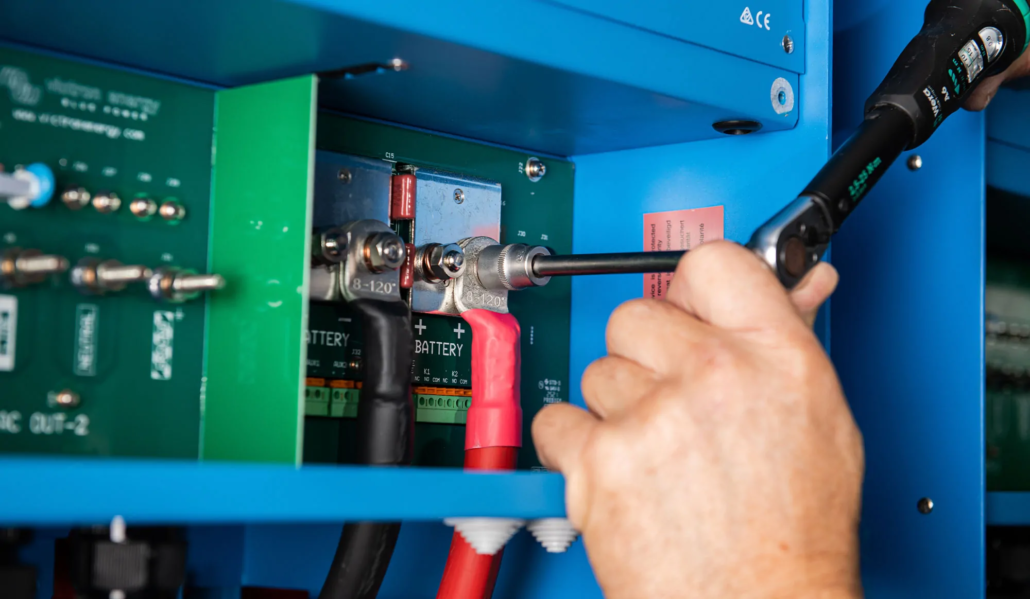
Quick answer: Which DC fuse should I use with a lithium (LiFePO4) campervan battery?
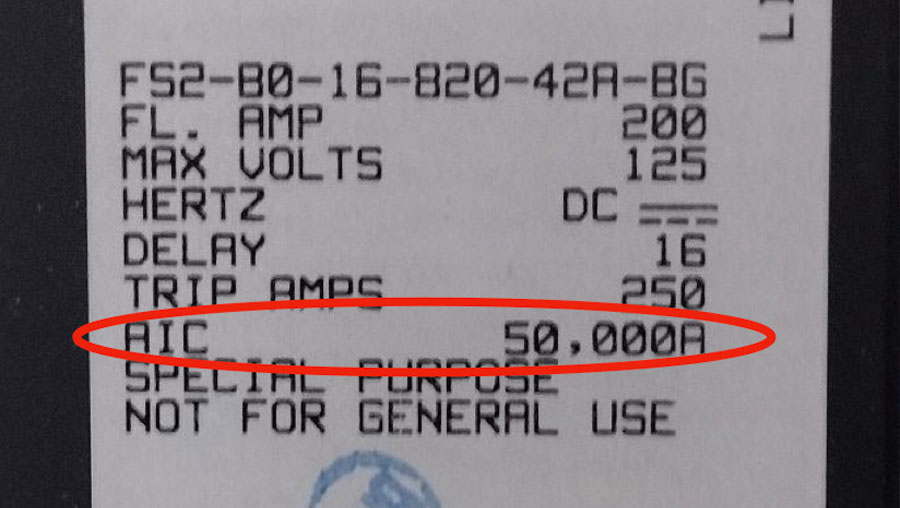
LiFePO4 batteries can deliver very high short-circuit currents, so the main fuse needs a high interrupting capacity (AIC). Our rule of thumb is to allow 5000A of AIC for every 100Ah of LiFePO4 capacity (Ah x 50), then choose a Class-T, MRBF or MEGA fuse rated at or above that. MEGA fuses are typically around 2kA AIC, lower than MRBF or Class-T.
LiFePO4 fuse selection – Class-T, MRBF, and MEGA
Reliable electrical systems are essential for mobile, marine, and off-grid applications. One crucial part of a reliable electrical system is system safety. Fuses provide critical overcurrent protection, safeguarding equipment and preventing fire hazards.
This guide focuses specifically on LiFePO4 (Lithium Iron Phosphate) battery systems and details the characteristics of Class-T, MRBF, and MEGA fuses, assisting in proper selection for these high-performance battery chemistries.
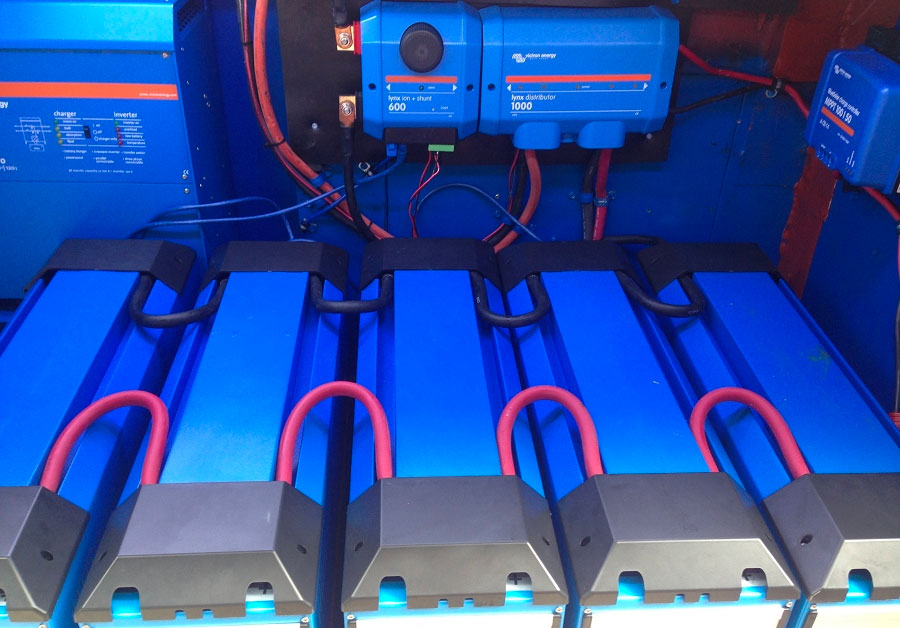
Important Note: This guide is exclusively directed at LiFePO4 battery systems. LiFePO4 batteries possess significantly lower internal resistance compared to lead-acid or AGM batteries. This characteristic allows them to deliver exceptionally high short-circuit currents, making proper fuse selection absolutely critical. While fuse selection remains important for lead-acid and AGM systems, the potential for extremely high fault currents is considerably lower due to their inherently higher internal resistance. The recommendations in this guide are not necessarily applicable to lead-acid or AGM battery systems.
The Importance of correctly selecting the right fuse for LiFePO4 electrical system
Fuses are designed as the weakest link in a circuit, interrupting current flow during overloads. When looking at LiFePO4 batteries, the potential for rapid and substantial short-circuit currents necessitates careful fuse selection. Incorrect fuse selection can lead to premature failures, or more dangerously, inadequate protection, potentially causing catastrophic damage or fire. A properly rated fuse is crucial for safety and system reliability in LiFePO4 systems.
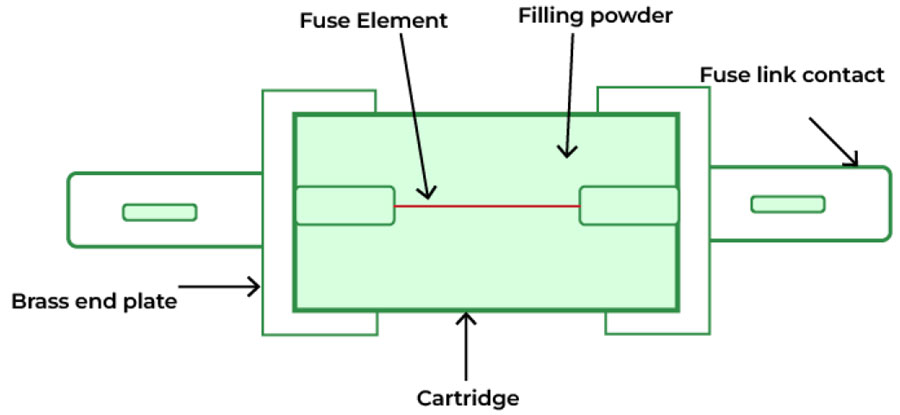
Fuse Types: Class-T, MRBF, and MEGA
Class-T Fuses:
These fuses handle high-current applications common in inverters, battery banks, and critical power circuits. Their high interrupting capacity (AIC) allows them to safely interrupt substantial fault currents, crucial in LiFePO4 systems with large battery banks. Class-T fuses are typically bolt-on and require compatible holders.
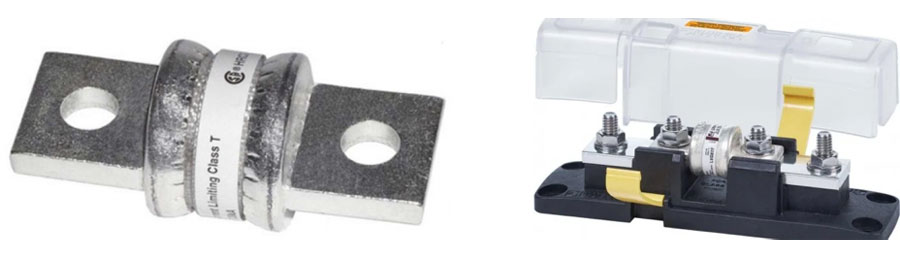
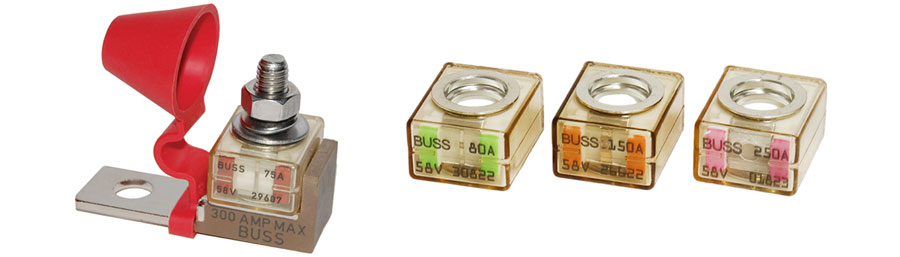
MRBF Fuses (Marine Rated Battery Fuse):
Designed for marine environments, MRBF fuses offer corrosion and vibration resistance. Their compact size and direct battery terminal mounting are advantageous in space-constrained installations. While typically used in marine applications, MRBF fuses are also perfectly suitable for other applications like campervans and motorhomes where space and a secure connection directly to the battery terminal are beneficial. They also provide relatively fast-acting protection.
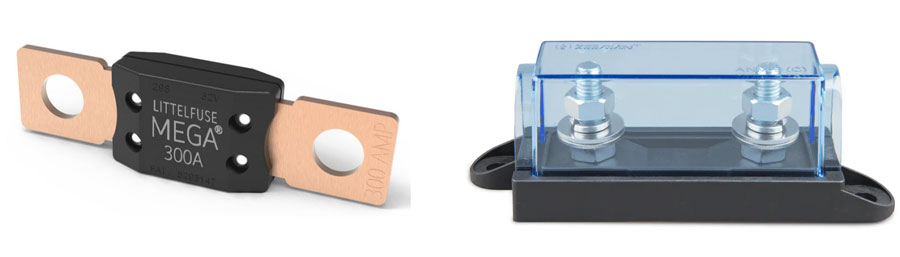
MEGA Fuses:
Bridging the gap between smaller automotive fuses and larger Class-T fuses, MEGA fuses are common in automotive and recreational vehicle (RV) applications. They protect high-current circuits like charging systems, alternators, and starter motors. It’s important to note that MEGA fuses typically have a lower AIC rating (around 2000A or 2kA) compared to MRBF or Class-T fuses.
Tiny Build Electrics’ Recommended AIC Sizing Protocol for LiFePO4 Batteries
At Tiny Build Electrics, we prioritise safety and recommend a specific protocol for determining the appropriate Ampere Interrupting Capacity (AIC) for your fuses in LiFePO4 systems. Due to the inherent characteristics of LiFePO4 batteries, AIC selection is paramount.
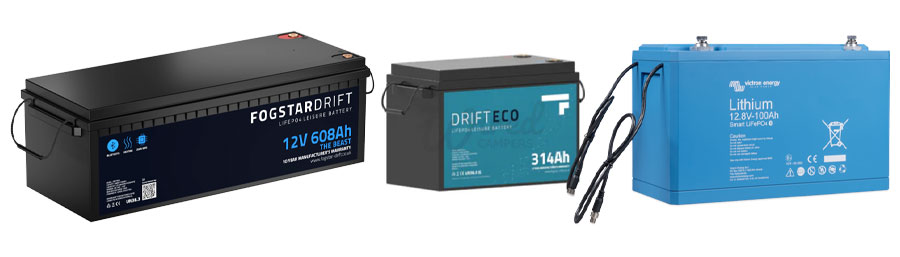
Tiny Build Electrics Rule of Thumb (LiFePO4 Only): We advise allowing 5000A of AIC for every 100Ah of LiFePO4 battery capacity.
Calculation Breakdown:
1. Determine Battery Bank Capacity: Identify the total Amp-hour (Ah) capacity of your LiFePO4 battery bank.
2. Calculate Required AIC: Multiply your battery bank’s Ah capacity by 50. This gives you the recommended AIC in Amperes.
3. Select Fuse Type: Choose a fuse with an AIC rating equal to or greater than the calculated value.
Examples (LiFePO4 Only):
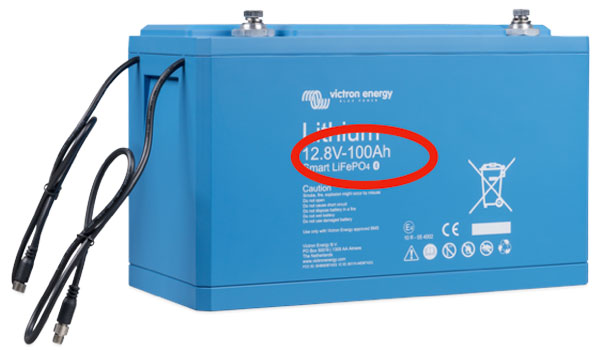
100Ah LiFePO4 Battery:
100Ah * 50 = 5,000A AIC. A MEGA fuse, with its limited 2,000A AIC, is not sufficient for this application. An MRBF or a Class-T fuse would be required.
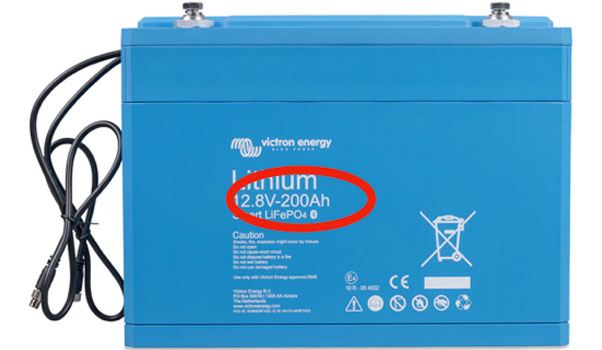
200Ah LiFePO4 Battery:
200Ah * 50 = 10,000A AIC. An MRBF fuse, with a 10,000A AIC rating, would be appropriate.
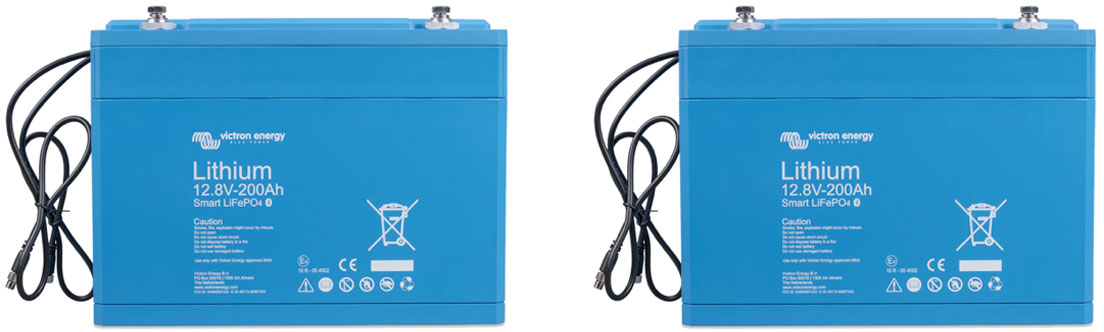
2X 200Ah LiFePO4 Batteries in Parallel (400Ah Total)
400Ah * 50 = 20,000A AIC. It is crucial to use a separate fuse for each battery in a parallel configuration. In this example, you would install two MRBF fuses, one for each 200Ah battery, even though the total AIC requirement is 20kA. This is because each battery could independently deliver a short-circuit current of 10,000A.
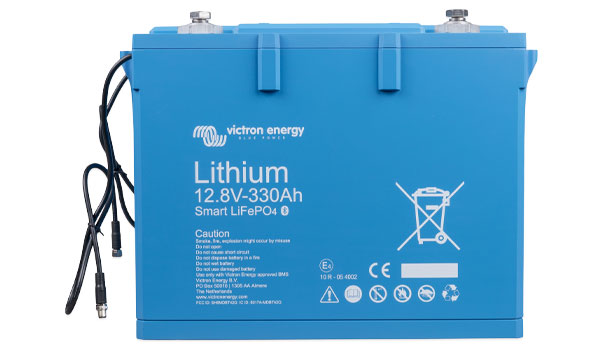
300Ah LiFePO4 Battery:
300Ah * 50 = 15,000A AIC. A Class-T fuse, offering a 20,000A AIC rating, is the recommended choice due to its higher AIC capacity.
Important Considerations for LiFePO4 Systems:
1. Always consult the fuse manufacturers specifications: Ensure the selected fuse’s voltage rating is appropriate for your system.
2. Consider other circuit characteristics: The AIC calculation is a guideline. Factors like cable length and other components can influence the actual short-circuit current.
3. This guide is ONLY applicable to LiFePO4 systems: The very high short circuit currents possible with LiFePO4 necessitate this specialised guidance.
4. MEGA Fuse Limitations: Due to their lower AIC rating, MEGA fuses are generally not recommended for direct connection to larger LiFePO4 battery banks. They might be suitable for protecting specific high-current circuits branching off the main battery bank, but only if the calculated AIC for that specific circuit is within the MEGA fuse’s rating.
5. When in doubt, consult a professional: Electrical system design and safety are critical, especially with LiFePO4 batteries. If you’re unsure about fuse selection, seek advice from a qualified electrician or marine electrical specialist.
Professional Consultation Recommended
Correct LiFePO4 fuse selection and installation are critical for electrical system safety, especially with the high-current potential of LiFePO4 batteries. Consulting a qualified electrician or marine electrical specialist is highly recommended. Proper fuse selection is a crucial investment in safety and system reliability.