TL;DR: the short version
From 15 October 2026, BS 7671:2018+A4:2026 is the only current edition of the Wiring Regulations. For our niche the biggest changes are the new Chapter 57 on stationary batteries (fully applicable to cabins, and applied in vans where relevant), batteries now counting as a source rather than a load, stricter thinking on RCD types next to inverters, fine-strand cable terminations and a new EICR format. The whole of BS 7671 applies to vans and motorhomes: the only change in Section 721 itself is the hook-up lead cable type (now H05VV-F), but 721 only adds to Parts 1 to 6, so all their changes reach you too.
The point most people miss
The whole of BS 7671 applies to campervans, motorhomes and caravans, not just Section 721. Every Part 7 section, 721 included, only supplements or modifies the general requirements in Parts 1 to 6 for that special location. Anything 721 doesn’t exclude or change still applies in full, so every Amendment 4 change in Parts 1 to 6 reaches your van.IETBS 7671 Part 7, Section 700 General (IET read-only extract)electrical.theiet.org ↗ All sources
What happened on 15 October 2026
BS 7671:2018+A4:2026, the fourth amendment to the 18th Edition of the IET Wiring Regulations (often called 18th Edition Amendment 4, or BS7671 Amendment 4), was published on 15 April 2026 with a six-month overlap. That overlap ended today. The previous version (BS 7671:2018+A2:2022+A3:2024) is withdrawn, so from 15 October 2026 every new installation, every addition or alteration, and every periodic inspection is measured against Amendment 4.IETEnsure you are up to date with BS 7671electrical.theiet.org ↗ All sourcesIETIET and BSI publish Amendment 4 (2026) to BS 7671:2018theiet.org ↗ All sourcesBSIBS 7671:2018+A4:2026 Requirements for Electrical Installationsknowledge.bsigroup.com ↗ All sources
Two points stop this being scarier than it is. An installation that was designed to the old version and is already being built can still be finished and certified to it, if that’s what the contract says. And an older installation that doesn’t match the latest wording isn’t automatically unsafe, and doesn’t have to be upgraded just because the book has changed.SELECTSo what's new? Overview of BS 7671:2018+A4:2026select.org.uk ↗ All sourcesEDA / BEAMARequirements for electrical installations: 18th Edition Amendment 4eda.org.uk ↗ All sources
Amendment 4 also absorbs Amendment 3:2024 into the main book, so the bidirectional-device and isolation rules that used to live in a separate supplement are now in one place.IETIET and BSI publish Amendment 4 (2026) to BS 7671:2018theiet.org ↗ All sourcesSELECTSo what's new? Overview of BS 7671:2018+A4:2026select.org.uk ↗ All sources You’ll recognise the new book by its bright orange cover.
Which parts apply to vans, motorhomes and cabins
BS 7671 treats our three kinds of work quite differently, and getting this right is the whole point of this guide.
- Campervans, motorhomes and caravans. All of BS 7671 applies. Parts 1 to 6 set the general requirements, including Section 551 and, where relevant, Chapter 57. Section 721 then sets out the departures for this special location: the extra or changed requirements, such as the 30 mA all-pole RCD, bonding of structural metalwork, the inlet and the hook-up lead. Section 721 covers installations up to 230/440 V AC or 48 V DC. It adds to the rest of the book; it doesn’t replace it.IETBS 7671 Part 7, Section 700 General (IET read-only extract)electrical.theiet.org ↗ All sourcesIETElectrical installations in caravan/camping parks, caravans and motor caravanselectrical.theiet.org ↗ All sources
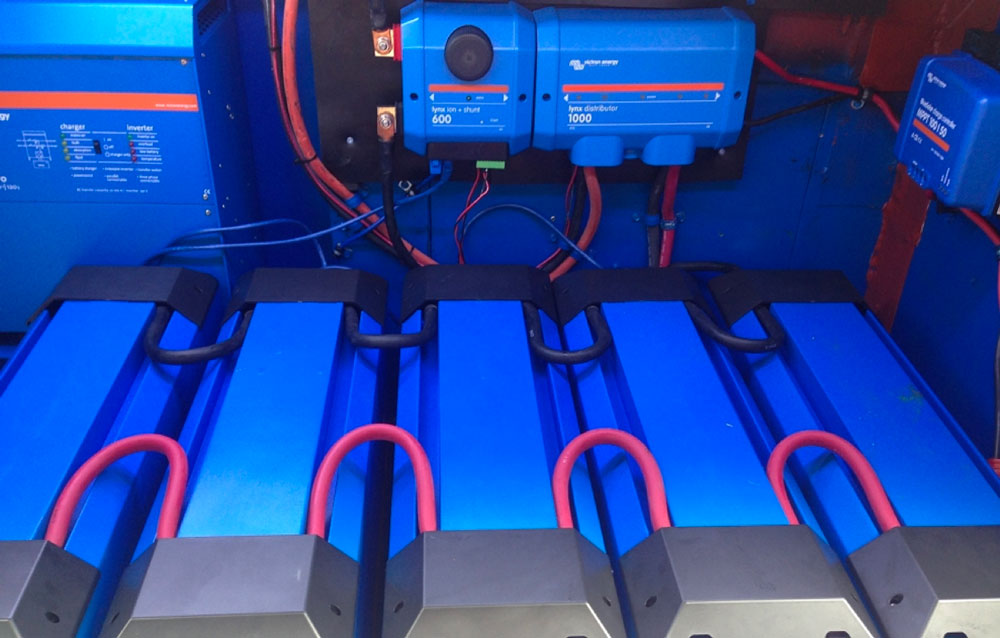
- Off-grid and grid-tied cabins. A cabin is a fixed building, so it gets the full standard: the general rules, plus the new Chapter 57 for its battery bank, Section 551 for the battery and inverter acting as a source, and Section 712 if it has solar.IET Wiring MattersThe impact of Amendment 4:2026 on the 18th Edition (Geoff Cronshaw)electrical.theiet.org ↗ All sourcesHager18th Edition Amendment 4 bitesize guideassets.sc.hager.com ↗ All sources
- Your leisure battery in a van. Chapter 57 is written for stationary secondary batteries that store and supply an electrical installation. Whether a battery in a vehicle counts as stationary is open to interpretation, so we don’t claim every Chapter 57 regulation applies to every van. Where it is relevant we apply it, and otherwise we use its rules as a benchmark, because the hazards (fault current, isolation, heat, labelling) are the same.IET Wiring MattersThe impact of Amendment 4:2026 on the 18th Edition (Geoff Cronshaw)electrical.theiet.org ↗ All sourcesSELECTSo what's new? Overview of BS 7671:2018+A4:2026select.org.uk ↗ All sources
Key changes at a glance
BS 7671:2018+A4:2026 · effective 15 October 2026
Amendment 4 changes that affect leisure vehicle and cabin electrics
Before and after, and who it applies to. All of BS 7671 applies to vans and motorhomes; “benchmark” means we follow a rule as best practice where it isn’t clearly written for that installation.
| Regulation | Before (A2+A3) | After (A4) | Van / motorhome | Cabin |
|---|---|---|---|---|
| Chapter 57Stationary secondary batteriesBiggest change | A few lines in 551.8 | A full chapter: selection, PCE/EEMS, DC fault protection, isolation, thermal hazards, notices IET Wiring MattersThe impact of Amendment 4:2026 on the 18th Edition (Geoff Cronshaw)electrical.theiet.org ↗ All sourcesSELECTSo what's new? Overview of BS 7671:2018+A4:2026select.org.uk ↗ All sources | Where relevant, else benchmark | Applies |
| 570.6.7.203Battery location | No specific rule | Dwellings: maker’s instructions + PAS 63100. Other buildings: fire risk assessment Hager18th Edition Amendment 4 bitesize guideassets.sc.hager.com ↗ All sources | Where relevant, else benchmark | Applies |
| 570.6.2.2RCD type for battery PCE | General RCD type rules | Type B unless the PCE gives separation or its maker says otherwise Hager18th Edition Amendment 4 bitesize guideassets.sc.hager.com ↗ All sourcesEDA / BEAMARequirements for electrical installations: 18th Edition Amendment 4eda.org.uk ↗ All sources | Where relevant (Victron: Type A permitted) Victron EnergyMultiPlus-II GX manual: installationvictronenergy.com ↗ All sources | Applies |
| 570.6.8Warning notices | Generic dual-supply notices | Battery presence/location at origin, meter and CU; “isolate AC and DC” on PCE Hager18th Edition Amendment 4 bitesize guideassets.sc.hager.com ↗ All sources | Where relevant, else benchmark | Applies |
| 551.7.1 / 551.7.2.1Sources and bidirectional flow | Battery could be read as a load | Battery = generating set; bidirectional devices; no source on an RCD’s load side in certain cases IET Wiring MattersThe impact of Amendment 4:2026 on the 18th Edition (Geoff Cronshaw)electrical.theiet.org ↗ All sources | Applies | Applies |
| 551.7.2.2 / 536.4.202CU rating, parallel sources | Less prescriptive | Four rating options; load curtailment allowed, diversity not Hager18th Edition Amendment 4 bitesize guideassets.sc.hager.com ↗ All sourcesSELECTSo what's new? Overview of BS 7671:2018+A4:2026select.org.uk ↗ All sources | Relevant with PowerAssist | Applies with grid or generator |
| 531.3.3RCDs in series | No note | All RCDs in series should suit the expected residual current SELECTSo what's new? Overview of BS 7671:2018+A4:2026select.org.uk ↗ All sources | Applies | Applies |
| 526.2 / 526.9.1Conductor class | Suitable terminals required | New note and Table 52.4: fine-strand ends need suitable terminals or treatment SELECTSo what's new? Overview of BS 7671:2018+A4:2026select.org.uk ↗ All sources | Applies (Class 5 cable) | Applies |
| Section 721Caravans and motor caravans | Hook-up lead H05RN-F (721.55.2.6(b)) | H05VV-F to BS EN 50525-2-11; orange sheath recommended. Rest of 721 unchanged NICEICAmendment 4 to BS 7671: what you need to knowniceic.com ↗ All sources | Applies | n/a |
| 421.1.7AFDDs | “Higher risk residential buildings” | “High-rise residential buildings” (over 18 m or six storeys); still recommended elsewhere SELECTSo what's new? Overview of BS 7671:2018+A4:2026select.org.uk ↗ All sourcesEDA / BEAMARequirements for electrical installations: 18th Edition Amendment 4eda.org.uk ↗ All sources | Not required | Recommended |
| 722.421.1.7.201EV charging | AFDD position unclear | No AFDD for compliant EV chargers; RDC-PD allowed EDA / BEAMARequirements for electrical installations: 18th Edition Amendment 4eda.org.uk ↗ All sources | n/a | If fitted |
| 653.1 / 653.2EICRs | Old model form | Appendix 6 model and notes; recipient guidance; photos allowed SELECTSo what's new? Overview of BS 7671:2018+A4:2026select.org.uk ↗ All sourcesIET Wiring MattersThe impact of Amendment 4:2026 on the 18th Edition (Geoff Cronshaw)electrical.theiet.org ↗ All sources | Applies | Applies |
| Section 712Solar PV | 712.443.101, 712.551.7.2 in force | Both deleted; UOC MAX rating for DC devices; fixed inverter warning NICEICAmendment 4 to BS 7671: what you need to knowniceic.com ↗ All sources | Applies | Applies |
Chapter 57: stationary secondary batteries (the big one)
Chapter 57 is completely new. It brings battery storage inside BS 7671 for the first time as its own topic, and the scope of the whole standard (Regulation 110.1.1) now names stationary secondary batteries for storage and supply.SELECTSo what's new? Overview of BS 7671:2018+A4:2026select.org.uk ↗ All sourcesEDA / BEAMARequirements for electrical installations: 18th Edition Amendment 4eda.org.uk ↗ All sources It replaces the old, much thinner Regulation group 551.8, which has been deleted.IET Wiring MattersThe impact of Amendment 4:2026 on the 18th Edition (Geoff Cronshaw)electrical.theiet.org ↗ All sources
The chapter doesn’t apply to batteries built into products that have their own product safety standard, or to things like plug-in UPS units, emergency lighting, fire alarm systems and central safety power supplies.IET Wiring MattersThe impact of Amendment 4:2026 on the 18th Edition (Geoff Cronshaw)electrical.theiet.org ↗ All sourcesSELECTSo what's new? Overview of BS 7671:2018+A4:2026select.org.uk ↗ All sources A lithium bank wired into a cabin’s installation through an inverter/charger sits squarely inside it.
Selecting the battery, inverter and energy management
The designer now has to choose the battery type and capacity against the nature of the demand, the battery voltage and the load profile, and select the power conversion equipment (PCE, meaning the inverter/charger) and any electrical energy management system (EEMS) to suit.IET Wiring MattersThe impact of Amendment 4:2026 on the 18th Edition (Geoff Cronshaw)electrical.theiet.org ↗ All sourcesSELECTSo what's new? Overview of BS 7671:2018+A4:2026select.org.uk ↗ All sources In plain terms: a battery bank has to be designed for the job, not just bought big. That’s how we already size Victron systems, and now it’s written into the standard.
Location: PAS 63100 for dwellings, a fire risk assessment elsewhere
Regulation 570.6.7.203 says stationary secondary batteries in a dwelling must be installed in a suitable location, taking account of the manufacturer’s instructions and PAS 63100. In any other building, the location and the fire protection have to follow the premises’ fire safety risk assessment.Hager18th Edition Amendment 4 bitesize guideassets.sc.hager.com ↗ All sourcesIET Wiring MattersThe impact of Amendment 4:2026 on the 18th Edition (Geoff Cronshaw)electrical.theiet.org ↗ All sources
For cabins this split matters. A cabin someone lives in is likely to be treated as a dwelling, so PAS 63100’s guidance on where a battery may and may not go applies. A glamping cabin or holiday let is closer to “other building”, where the site’s fire risk assessment should decide where the battery lives. If you aren’t sure which your cabin is, ask us before the battery is fixed to a wall.
Protection against electric shock: the RCD type rule
Regulation 570.6.2.2 says that where an RCD is used to protect the AC supply circuit of a battery system’s power conversion equipment (PCE), it must be a Type B RCD (to BS EN 62423 or BS EN 60947-2), unless one of three things is true: (a) the PCE gives at least simple separation between its AC and DC sides; (b) a transformer with separate windings gives that separation between the PCE and the RCD; or (c) the PCE manufacturer states that a Type B isn’t needed.Hager18th Edition Amendment 4 bitesize guideassets.sc.hager.com ↗ All sourcesEDA / BEAMARequirements for electrical installations: 18th Edition Amendment 4eda.org.uk ↗ All sources We cover what this means for Victron below.
Is this rule about solar inverters or battery inverters? Both have a rule, and they sit in different places. The one for solar PV inverters (DC from the panels in, AC out to the installation or the grid) is 712.531.3.5.1. It has been in Section 712 since before Amendment 4 and uses almost the same wording: Type B for the PV AC supply circuit unless there is simple separation or the inverter maker says otherwise.IET Wiring MattersBidirectional protective devices (March 2024)electrical.theiet.org ↗ All sourcesNICEICAmendment 4 to BS 7671: what you need to knowniceic.com ↗ All sources Regulation 570.6.2.2 is the new battery version. It sits in Chapter 57 (stationary secondary batteries) and is written around the PCE that connects a battery to the AC installation.Hager18th Edition Amendment 4 bitesize guideassets.sc.hager.com ↗ All sourcesEDA / BEAMARequirements for electrical installations: 18th Edition Amendment 4eda.org.uk ↗ All sources In plain terms, that PCE is the battery inverter or inverter/charger, such as a Victron MultiPlus, Quattro or MultiPlus-II. It isn’t only grid-tie or hybrid solar kit. In a DC-only system, where there is no inverter and no AC circuit, there is nothing for this RCD rule to apply to.
It applies on the AC side, wherever an RCD protects a circuit that connects to the PCE. On a cabin that’s the circuit from the consumer unit to the Multi’s AC input, and it’s worth applying the same thinking to any RCD on the AC-output board, because an inverter/charger can carry current both ways. Our reading of the book is that Chapter 57 is written for fixed, stationary batteries, so it clearly covers cabins. Whether it covers a van leisure battery is open to interpretation. We use it as the benchmark in vans anyway, because the DC-residual-current risk to an RCD is exactly the same.
DC-side fault current and isolation
Chapter 57 also covers protection against fault current on the DC side and isolation of the battery system.SELECTSo what's new? Overview of BS 7671:2018+A4:2026select.org.uk ↗ All sources Industry guidance stresses that DC isolators must be rated for the system’s DC voltage and current exactly as the manufacturer specifies; an AC switch pressed into DC service is not acceptable.Hager18th Edition Amendment 4 bitesize guideassets.sc.hager.com ↗ All sources Lithium banks can deliver very high fault currents, so the main battery fuse has to sit as close to the terminal as practical and be rated to break that current.
Thermal effects, ventilation and other hazards
The chapter includes protection against thermal effects and other hazards.IET Wiring MattersThe impact of Amendment 4:2026 on the 18th Edition (Geoff Cronshaw)electrical.theiet.org ↗ All sources In practice that is where battery chemistry, gassing, ventilation, heat build-up and keeping combustibles away come in. The exact requirement depends on the battery: sealed lithium iron phosphate behaves very differently from vented lead-acid. We follow the battery manufacturer’s installation manual and record what we did.
Warning notices
- 570.6.8.201: a notice showing that a battery system is present, and where it is, at the origin of the installation, at each meter position if that’s elsewhere, and at every consumer unit or distribution board the battery feeds.Hager18th Edition Amendment 4 bitesize guideassets.sc.hager.com ↗ All sources
- 570.6.8.203: a notice on all PCE: “WARNING – Isolate both AC and DC sides before servicing”.Hager18th Edition Amendment 4 bitesize guideassets.sc.hager.com ↗ All sources
In a cabin, that means labels at the incoming supply, at the consumer unit and on the MultiPlus or Quattro. In a van we fit the same style of labels as good practice, because the next person to open the cupboard deserves to know there are two sources.
Section 551: batteries now count as a source, not a load
This is the change that quietly affects every inverter/charger install. Regulation 551.7.2.1 now says the generating set must be installed on the supply side of all the protective devices for the final circuits of a distribution board, and that a stationary battery to Chapter 57 is to be treated as a generating set, not a load.Hager18th Edition Amendment 4 bitesize guideassets.sc.hager.com ↗ All sourcesIET Wiring MattersThe impact of Amendment 4:2026 on the 18th Edition (Geoff Cronshaw)electrical.theiet.org ↗ All sources
Regulation 551.7.1 gained two new indents: (c) needs a suitable protective device wherever energy can flow both ways, and (d) stops a source being connected on the load side of an RCD under certain conditions.IET Wiring MattersThe impact of Amendment 4:2026 on the 18th Edition (Geoff Cronshaw)electrical.theiet.org ↗ All sourcesSELECTSo what's new? Overview of BS 7671:2018+A4:2026select.org.uk ↗ All sources Since Amendment 3, protective devices are described as unidirectional (marked “line/load”, “in/out” or with arrows) or bidirectional, and Regulation 530.3.201 asks you to pick the right one. A consequence is that 712.551.7.2, the old PV rule about connecting on the supply side of the overcurrent device, has been deleted, because the bidirectional-device rules now cover it.SELECTSo what's new? Overview of BS 7671:2018+A4:2026select.org.uk ↗ All sourcesHager18th Edition Amendment 4 bitesize guideassets.sc.hager.com ↗ All sourcesNICEICAmendment 4 to BS 7671: what you need to knowniceic.com ↗ All sources
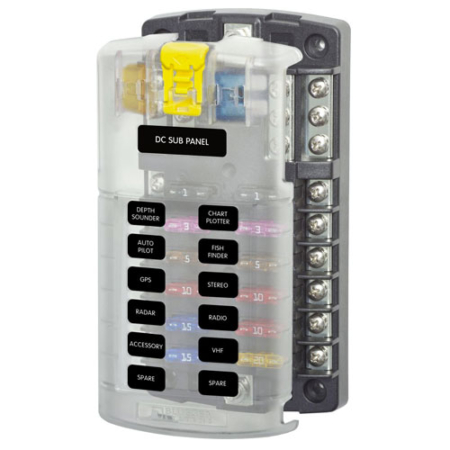
What it means for us: a Victron inverter/charger is both a load (when it charges from hook-up or the grid) and a source (when it inverts). So the breaker or RCBO that feeds it, and anything it back-feeds through, has to be suitable for current flowing either way, and the inverter output must not be wired in on the load side of an RCD it could back-feed. In a van, the 230 V consumer unit fed from the Multi’s AC-out is designed around this. In a cabin with a grid supply, it also drives the next point.
Rating the consumer unit when two sources run in parallel
Regulation 551.7.2.2 applies when a generating set runs in parallel with another supply through low voltage switchgear. The assembly’s rated current has to meet one of four options: (a) at least the incoming device rating plus the generator’s output; (b) at least the incoming device rating; (c) at least the limited maximum under an export/import limitation scheme; or (d) at least the total connected load, with a notice stating the maximum, for example “Total connected load not to exceed 100 A”.Hager18th Edition Amendment 4 bitesize guideassets.sc.hager.com ↗ All sourcesEDA / BEAMARequirements for electrical installations: 18th Edition Amendment 4eda.org.uk ↗ All sources For example, a 100 A consumer unit with a 16 A battery or PV source connected to its busbar needs a rating of at least 116 A under option (a), which is why many standard 100 A boards need a different approach.EDA / BEAMARequirements for electrical installations: 18th Edition Amendment 4eda.org.uk ↗ All sources Regulation 536.4.202 now also lets load curtailment be used to protect an assembly, but never diversity.SELECTSo what's new? Overview of BS 7671:2018+A4:2026select.org.uk ↗ All sources
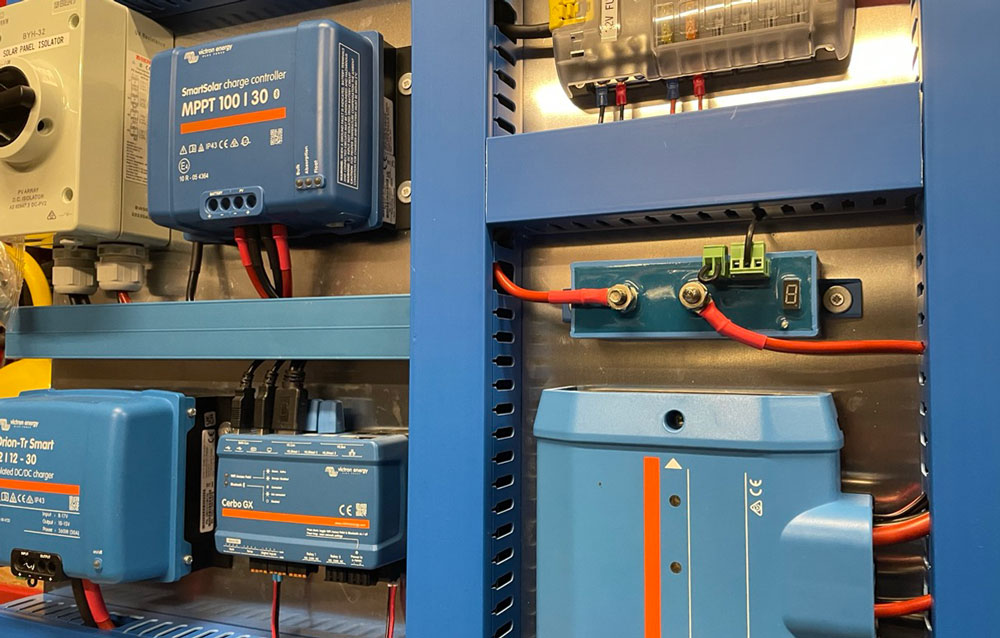
This is very real with Victron. With PowerAssist, a MultiPlus-II can add its inverter output on top of a 32 A input, so a 3 kVA unit can supply about 45 A at its output.Victron EnergyMultiPlus-II GX manual: installationvictronenergy.com ↗ All sources The consumer unit and cables after the Multi have to be rated for that combined figure, not just the hook-up or grid fuse.
RCDs next to inverters: the Victron MultiPlus and Quattro angle
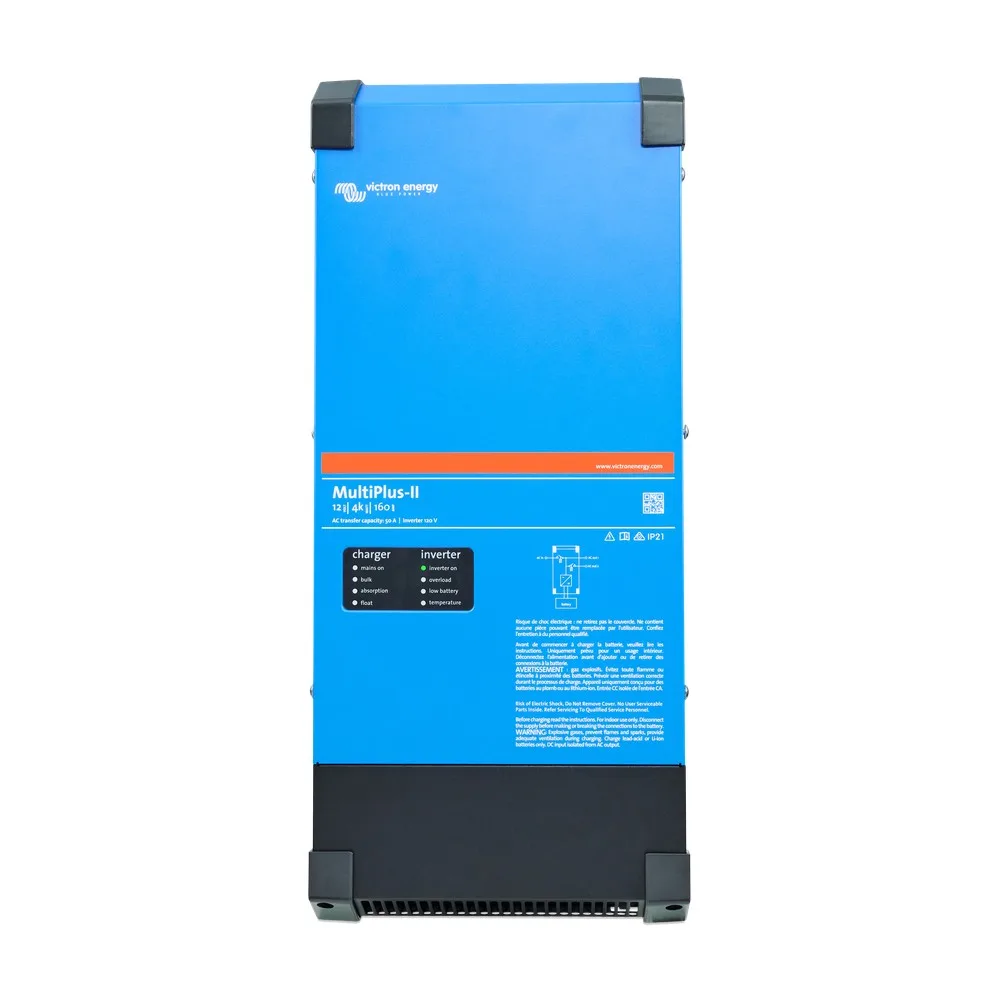
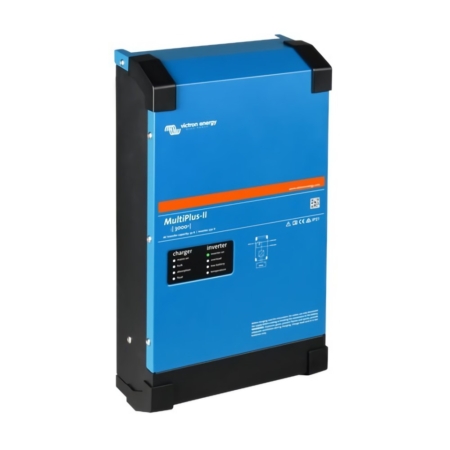
Straight answer: yes, a Victron MultiPlus, MultiPlus-II or Quattro galvanically separates the battery side from the AC side. The power stage is built around a low-frequency (mains-frequency) toroidal transformer, so there is no conductive path between the battery terminals and any AC terminal. Victron’s own words: “The inverter incorporates a mains frequency isolating transformer. This precludes the possibility of DC current at any AC port. Therefore, type A RCDs can be used.” The same manual adds that the internal isolation transformer provides reinforced insulation, which goes beyond the simple separation that 570.6.2.2 asks for.Victron EnergyMultiPlus-II GX manual: installationvictronenergy.com ↗ All sourcesVictron EnergyMultiPlus-II and Quattro-II 230V manual (PDF)victronenergy.com ↗ All sources
That gives you two routes out of the Type B default, not one. Exception (a) is met because the PCE itself gives (at least) simple separation between its AC and DC sides. Exception (c) is met because the manufacturer states in writing, in the installation manual, that a Type A RCD can be used. On a MultiPlus-II or Quattro-II you don’t need a separate letter from Victron: the manual is the written statement.
Exception (b) is different: it covers a separate transformer fitted between the PCE and the RCD, such as an isolation transformer on a shore inlet. The Multi’s own internal transformer is a matter for (a), not (b).
The caveats we design around. First, the isolation is between battery and AC, not between AC-in and AC-out. When hook-up or the grid is present, the Multi’s transfer relay connects AC-in straight through to AC-out, so the RCD on the input side still sees the output wiring and its loads. Second, the internal ground relay links output neutral to earth when there is no AC supply, and opens before the input relay closes when one returns; Victron says this “ensures the correct operation of an earth leakage circuit breaker that is connected to the output”. That only works if the casing is bonded to the vehicle chassis, because unplugging also removes the shore earth.Victron EnergyMultiPlus-II GX manual: installationvictronenergy.com ↗ All sourcesVictron EnergyMultiPlus-II and Quattro-II 230V manual (PDF)victronenergy.com ↗ All sources Third, the transformer separates the battery, not necessarily everything else on the box: the Multi RS Solar, for example, has “full galvanic isolation” between AC and battery DC but not between its PV input and AC, where it relies on an internal residual current monitor instead.Victron EnergyMulti RS Solar manual: installationvictronenergy.com ↗ All sources Fourth, the explicit Type A wording appears in the MultiPlus-II, MultiPlus-II GX and Quattro-II manuals; the older MultiPlus Compact manual describes the ground relay but doesn’t carry the same sentence, so for older or smaller units, and for Victron’s inverter-only Phoenix range, we read that model’s manual rather than assume.
The same can’t be said for every inverter. Many transformerless and high-frequency units from other makers, and some hybrid inverters, can put smooth DC residual current onto the earth path, which can “blind” a Type A or Type AC RCD so it doesn’t trip when it should. For those, Type B (or whatever the manufacturer specifies) is the rule. Checking this on an existing van is one of the first things we do at an inspection.
Amendment 4 also adds a note to Regulation 531.3.3: every RCD in series should suit the residual currents expected from the load. A Type AC upstream of a Type A, or a Type A or F upstream of a Type B, can be impaired, unless the RCD maker declares the arrangement suitable. This order guidance sits in an informative note and Figure A53.2: it is guidance, not a new “shall”.SELECTSo what's new? Overview of BS 7671:2018+A4:2026select.org.uk ↗ All sourcesHager18th Edition Amendment 4 bitesize guideassets.sc.hager.com ↗ All sources A related new Note 4 to 536.4.1.4 says that for selectivity between an upstream Type S RCD and a downstream RCD on both line-earth and neutral-earth faults, the downstream device must switch the neutral too.Hager18th Edition Amendment 4 bitesize guideassets.sc.hager.com ↗ All sources In a van, that is the chain from the site pedestal, through your inlet, to your own consumer unit and the Multi. We fit Type A as a minimum on the van side.
Victron’s manuals also require an earth leakage breaker and a correctly rated breaker in series with the inverter output.Victron EnergyMultiPlus-II GX manual: installationvictronenergy.com ↗ All sourcesVictron EnergyMultiPlus-II and Quattro-II 230V manual (PDF)victronenergy.com ↗ All sources That fits neatly with Section 721’s existing need for a 30 mA all-pole RCD and bonding of accessible structural metalwork.IETElectrical installations in caravan/camping parks, caravans and motor caravanselectrical.theiet.org ↗ All sources
Section 721: caravans and motorhomes
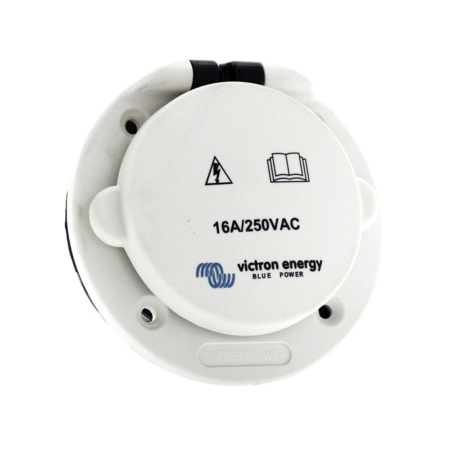
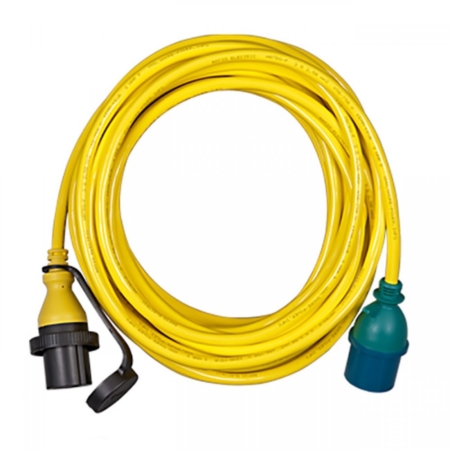
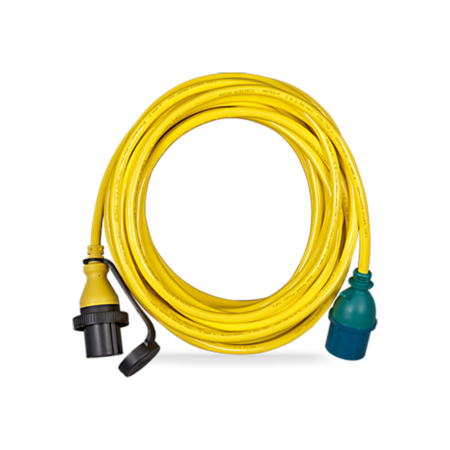
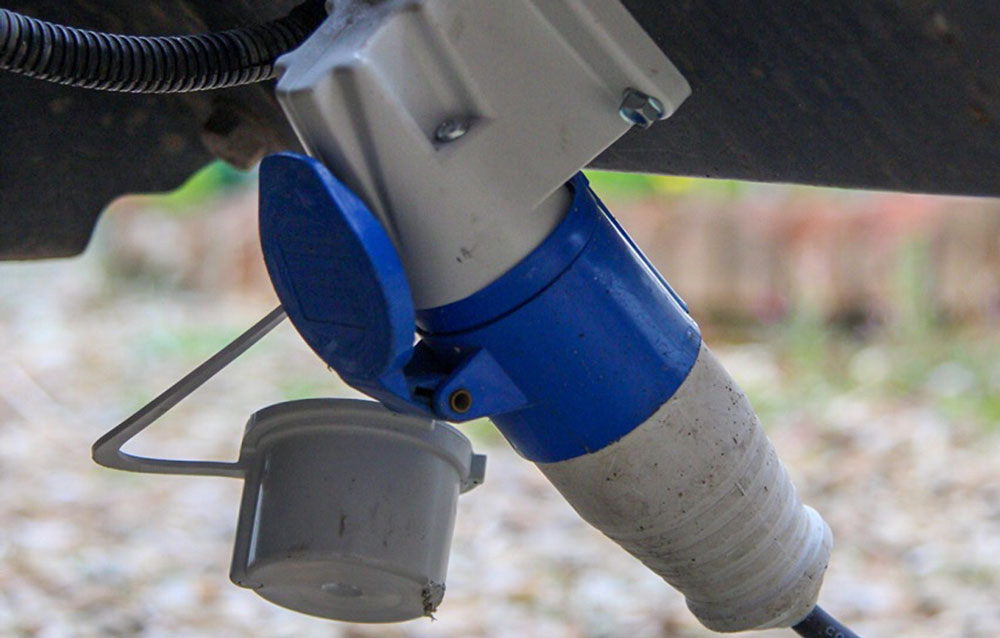
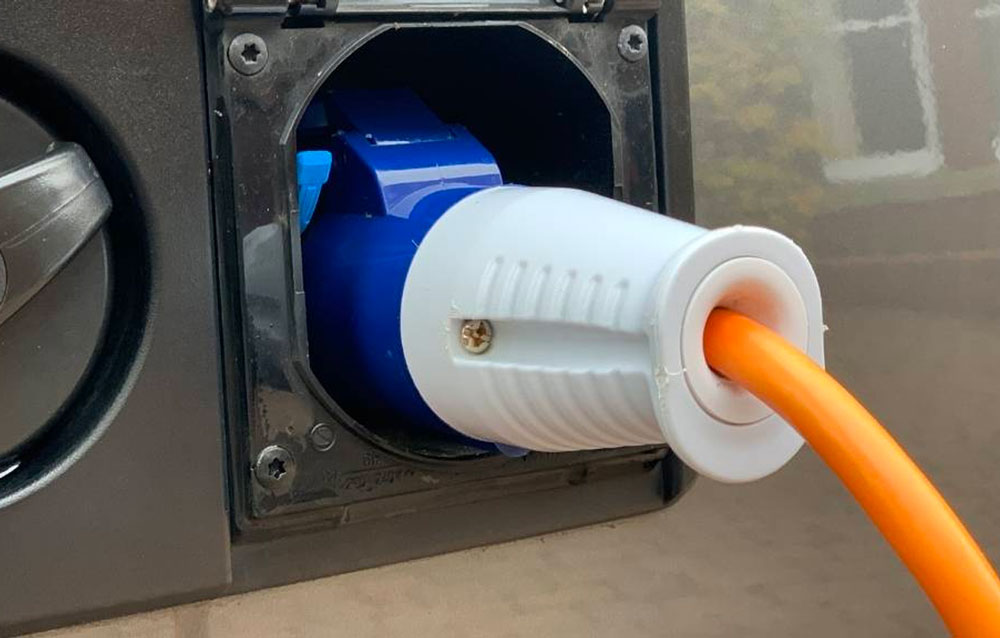
Amendment 4 makes one technical change to Section 721. Regulation 721.55.2.6(b) changes the cable type for the hook-up lead supplied with the caravan or motorhome: the previous H05RN-F rubber cable is replaced by H05VV-F to BS EN 50525-2-11. A new note says the outer sheath of the connecting cable should be orange, so it stands out (including for people with colour blindness). The same change appears in the text under Figure 708. In Section 708 (caravan parks), the old Notes 1 and 2 to 708.1 about 12 V DC caravan installations have been deleted.NICEICAmendment 4 to BS 7671: what you need to knowniceic.com ↗ All sources
Nothing else in Section 721 has been reported as changed by NICEIC, SELECT, the IET or the EDA.NICEICAmendment 4 to BS 7671: what you need to knowniceic.com ↗ All sourcesSELECTSo what's new? Overview of BS 7671:2018+A4:2026select.org.uk ↗ All sources The core requirements we work to stay the same: a 30 mA RCD breaking all live conductors, a circuit protective conductor to every point, bonding of accessible structural metalwork, a suitable inlet, a main disconnector inside the vehicle, and a 25 m hook-up lead of the right size, now H05VV-F, supplied with the van.IETElectrical installations in caravan/camping parks, caravans and motor caravanselectrical.theiet.org ↗ All sourcesNICEICAmendment 4 to BS 7671: what you need to knowniceic.com ↗ All sources
What changes is everything else in the book. Because Section 721 only supplements or modifies Parts 1 to 6 rather than replacing them,IETBS 7671 Part 7, Section 700 General (IET read-only extract)electrical.theiet.org ↗ All sources the new rules on RCD types in series, bidirectional devices, sources and loads, isolating devices and conductor terminations all flow into van work. That’s why “721 hasn’t changed” is not the same as “nothing changes for vans”.
Wiring, terminations and isolation (Part 5)
Fine-stranded cable needs the right terminations: 526.9.1
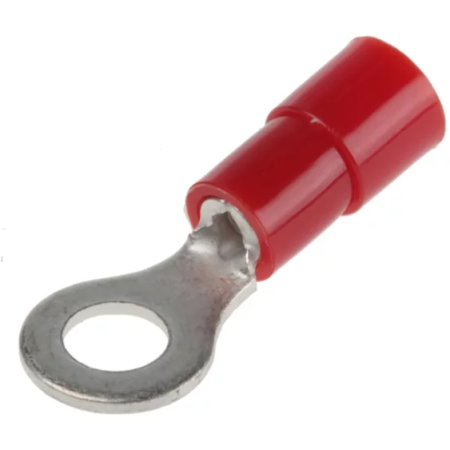
Regulation 526.2 now asks you to account for the conductor class when choosing the connection, and a new note to 526.9.1 with Table 52.4 explains the classes: Class 1 solid, Class 2 stranded, Class 5 fine and Class 6 very fine wire. Multi-wire and fine-wire conductors must use suitable terminals, or have their ends treated so the strands can’t splay, which in practice can mean crimped ferrules or lugs.SELECTSo what's new? Overview of BS 7671:2018+A4:2026select.org.uk ↗ All sources
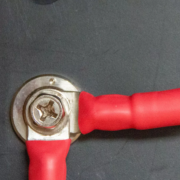
This one matters a lot in vehicles. We use flexible Class 5 cable throughout vans because of vibration, and a bare fine-strand end screwed into a terminal designed for solid cable is a classic cause of loose, hot connections. Every termination we make is crimped with the correct tool and ferrule or lug.
Isolators, disconnectors and switch-disconnectors: Section 537
Table 537.4 now names the disconnector (an off-load isolating device) and the switch-disconnector (an isolating switch suitable for on-load use), with new definitions in Part 2.SELECTSo what's new? Overview of BS 7671:2018+A4:2026select.org.uk ↗ All sourcesHager18th Edition Amendment 4 bitesize guideassets.sc.hager.com ↗ All sources The van’s main disconnector and a cabin’s battery isolator should be devices that can safely break load current, not off-load disconnectors.
Cabin supply cables underground: 522.8.10 and Appendix 4
For a cabin fed by a buried cable, a new note to 522.8.10 confirms that underground conduit with an N750 impact rating to BS EN 61386-24 or BS EN 50626-1 counts as equivalent mechanical protection, as an alternative to armour. Appendix 4 adds a new reference method, D2, for cables buried in ducts, which changes how that cable is sized.SELECTSo what's new? Overview of BS 7671:2018+A4:2026select.org.uk ↗ All sourcesIET Wiring MattersThe impact of Amendment 4:2026 on the 18th Edition (Geoff Cronshaw)electrical.theiet.org ↗ All sources
Smaller points
- Surge protection: the key to Figure 534.5 no longer implies a second overcurrent device for an SPD is always needed; it’s now “where specified by the manufacturer”.Hager18th Edition Amendment 4 bitesize guideassets.sc.hager.com ↗ All sourcesEDA / BEAMARequirements for electrical installations: 18th Edition Amendment 4eda.org.uk ↗ All sources
- Twin sockets: a note in Appendix 15 assumes a twin 13 A socket to BS 1363-2 draws no more than 20 A in total, which is worth knowing in a cabin kitchen.Hager18th Edition Amendment 4 bitesize guideassets.sc.hager.com ↗ All sources
- Functional earthing for ICT (Section 545): new rules for functional earthing of communications kit. It’s low priority for us, but relevant to large cabin sites with networked equipment.IET Wiring MattersThe impact of Amendment 4:2026 on the 18th Edition (Geoff Cronshaw)electrical.theiet.org ↗ All sources
AFDDs, solar PV and EV charging
AFDDs: Regulation 421.1.7
The change here is wording only. “Higher risk residential buildings” becomes “high-rise residential buildings”, to avoid confusion with the Building Safety Act, and a note defines it as over 18 m or more than six storeys.NICEICAmendment 4 to BS 7671: what you need to knowniceic.com ↗ All sourcesEDA / BEAMARequirements for electrical installations: 18th Edition Amendment 4eda.org.uk ↗ All sources AFDDs remain mandatory only in those buildings, HMOs, purpose-built student accommodation and care homes, and remain recommended for single-phase socket circuits up to 32 A elsewhere.SELECTSo what's new? Overview of BS 7671:2018+A4:2026select.org.uk ↗ All sourcesEDA / BEAMARequirements for electrical installations: 18th Edition Amendment 4eda.org.uk ↗ All sources There’s no new AFDD requirement for vans or motorhomes. NICEIC also confirms there’s no BS 7671 requirement for an AFDD on a circuit supplying battery storage.NICEICAmendment 4 to BS 7671: what you need to knowniceic.com ↗ All sources For a cabin that is lived in, we’ll talk through the recommendation with you.
Solar PV: Section 712
Section 712 has several targeted changes, according to NICEIC’s notes.NICEICAmendment 4 to BS 7671: what you need to knowniceic.com ↗ All sources
- 712.443.101 deleted: the old DC-side surge protection sentence has gone; the remaining SPD rules elsewhere apply.
- 712.514.103: the inverter warning wording is now fixed as “WARNING – Isolate both AC and DC sides before servicing”, the same as the Chapter 57 notice.
- 712.533.101(b): fuses and circuit-breakers on the PV side must be rated for at least the array’s maximum open-circuit voltage (UOC MAX).
- 712.537.2.2.103: an automatic disconnecting device in series with a PV functional bonding conductor must be rated for the array’s maximum current and voltage.
- 712.531.3.5.1: a new note prefers PV AC connection methods that don’t need extra RCD protection.
- 712.551.7.2 deleted: connection rules now sit in 530.3.201 and 551.7.
For our niche, the UOC MAX rule matters on every roof array: series strings on a van can exceed 50 V on a cold morning, and the DC fuses and isolators have to be rated for it. On a cabin, Chapter 57 and Section 551 add the battery-as-source rules, the board rating and the notices on top.NICEICAmendment 4 to BS 7671: what you need to knowniceic.com ↗ All sources
EV charging: Section 722
Regulation 722.421.1.7.201 confirms that AFDDs are not needed on circuits feeding EV chargers to the BS EN 61851 series with BS EN IEC 62196-2 sockets or connectors. Residual direct current protective devices (RDC-PD) to BS IEC 62955 are now listed under 722.531.3.101 as a means of DC fault-current protection, as an alternative to relying only on a Type B RCD.SELECTSo what's new? Overview of BS 7671:2018+A4:2026select.org.uk ↗ All sourcesEDA / BEAMARequirements for electrical installations: 18th Edition Amendment 4eda.org.uk ↗ All sourcesNICEICAmendment 4 to BS 7671: what you need to knowniceic.com ↗ All sources This only matters to us for cabins or sites that add an EV charger.
Inspection, testing and certificates
Part 6 changes little in substance but matters for anyone who gets an EICR from us. Regulation 653.1 says a periodic inspection must produce an Electrical Installation Condition Report based on the Appendix 6 model, taking the notes for the person producing the report into account. Regulation 653.2 says the report must include guidance for the recipient. A note confirms that photos and thermal images can be attached.SELECTSo what's new? Overview of BS 7671:2018+A4:2026select.org.uk ↗ All sourcesIET Wiring MattersThe impact of Amendment 4:2026 on the 18th Edition (Geoff Cronshaw)electrical.theiet.org ↗ All sources
The Appendix 6 model forms have been revised, with minor changes to the Electrical Installation Certificate and Minor Works certificate and major changes to the EICR. The notes also make clear that an FI code (further investigation) should not by itself make a report unsatisfactory.SELECTSo what's new? Overview of BS 7671:2018+A4:2026select.org.uk ↗ All sourcesIET Wiring MattersThe impact of Amendment 4:2026 on the 18th Edition (Geoff Cronshaw)electrical.theiet.org ↗ All sources From today, our installation certificates and EICRs for vans, motorhomes and cabins are issued on the Amendment 4 forms.
What this means for your van, motorhome or cabin
Campervans
Your van
- Inverter output treated as a source, wired on the supply side of your final-circuit breakers.
- RCD type matched to your inverter (Type A is fine after a Victron Multi, which is transformer-isolated; Type B where another maker requires it).
- Fine-strand cable crimped, never bare in a screw terminal.
- Chassis bonding and a load-breaking main disconnector, as Section 721 already needs.
Motorhomes
Your motorhome
- Check the consumer unit and cables after a PowerAssist inverter are rated for hook-up plus inverter current.
- Check older RCD chains for Type AC devices upstream of better ones.
- Labels showing there are two sources, at the consumer unit and the inverter.
- EICR on the new model form, with guidance you can actually use.
Off-grid cabins
Your cabin
- Chapter 57 applies in full to the battery bank: location, DC protection, isolation, thermal hazards and notices.
- PAS 63100 if it’s a dwelling, the site fire risk assessment if it isn’t.
- Consumer unit rated under one of the four 551.7.2.2 options if there’s a grid or generator supply too.
- Buried supply in N750 duct or armoured cable, sized with the new D2 method.
Do you need to rip anything out? No. A system built properly to the previous edition isn’t unsafe overnight.SELECTSo what's new? Overview of BS 7671:2018+A4:2026select.org.uk ↗ All sources But if you’re adding a battery, an inverter or solar from today, that work has to meet Amendment 4, and that often means bringing the parts it touches up to the same standard.
How we work to Amendment 4 at Tiny Build Electrics
Every install and inspection we start from 15 October 2026 is designed, built, tested and certified to BS 7671:2018+A4:2026. As an Authorised Victron Energy Installer, we design around Victron’s own installation manuals, which is exactly what the new RCD and PCE rules ask for. If you’re planning a build, or you want to know where an existing van or cabin stands, we can design and fit a supply-and-fit system to the latest standard or carry out an inspection and EICR.
Amendment 4 FAQ
Is BS 7671 Amendment 4 in force now?
Yes. BS 7671:2018+A4:2026 was published on 15 April 2026 and the previous version was withdrawn on 15 October 2026. From that date, new installations, additions and alterations, and periodic inspections are carried out to Amendment 4.
Does all of BS 7671 apply to campervans and motorhomes, or just Section 721?
All of it. Section 721 only sets out the extra or changed requirements for caravans and motor caravans, and Part 7 sections supplement or modify the general requirements in Parts 1 to 6. Anything Section 721 doesn't exclude or change still applies, including Section 551 and, where relevant, Chapter 57.
Do I have to upgrade my campervan electrics because of Amendment 4?
No. An installation built properly to an earlier edition isn't automatically unsafe and doesn't have to be upgraded because the standard has changed. Any new work, such as adding a battery, inverter or solar, has to meet Amendment 4.
Does Chapter 57 apply to the leisure battery in my van?
Chapter 57 is written for stationary secondary batteries that store and supply an electrical installation, so it is aimed mainly at fixed buildings like cabins. Whether a vehicle battery counts as stationary is open to interpretation. We apply it where it is relevant, and in every vehicle we follow its rules on fault protection, isolation, heat and labelling as best practice.
Do I need a Type B RCD with a Victron MultiPlus?
Not normally. Victron's MultiPlus-II and Quattro-II manuals state that the inverter incorporates a mains-frequency isolating transformer, which precludes DC current at any AC port, and that Type A RCDs can therefore be used. That meets two of the exceptions in Regulation 570.6.2.2: the unit itself separates AC from DC, and the manufacturer states Type B isn't needed. The isolation is between battery and AC only, so when hook-up is connected the input RCD still sees the output circuits. Other inverters, especially transformerless ones, may need Type B, so always check the manual.
Has Section 721 for caravans and motorhomes changed?
Only one technical change has been reported. Regulation 721.55.2.6(b) now specifies H05VV-F cable to BS EN 50525-2-11 for the hook-up lead instead of H05RN-F, with a note that its sheath should be orange. Because the whole of BS 7671 applies to vans and motorhomes, the general changes on RCD types, bidirectional devices, batteries as a source and cable terminations still affect them too.
Do I need an AFDD in my campervan or cabin?
Amendment 4 only changes the wording of the AFDD rule. AFDDs are not required in vans or motorhomes. They remain recommended for single-phase socket circuits up to 32 A in other premises, which can include a cabin that someone lives in.
Will my EICR look different now?
Yes. EICRs now follow the revised Appendix 6 model, must include guidance for you as the recipient, and can include photos or thermal images. An FI code for further investigation should not on its own make the report unsatisfactory.
Is the Type B RCD rule only for solar PV inverters?
No. Solar PV inverters have their own rule, 712.531.3.5.1, which was already in BS 7671 before Amendment 4. The new rule, 570.6.2.2 in Chapter 57, covers the power conversion equipment of a battery system, which means battery inverters and inverter/chargers such as a Victron MultiPlus. In both cases an RCD on the AC side has to be Type B unless the unit gives at least simple separation between AC and DC, or its maker states that Type B isn't needed.
Sources
- 1
IET BS 7671 Part 7, Section 700 General (IET read-only extract)Part 7 sections supplement or modify the general requirements; anything not excluded still applies.
- 2
IET Ensure you are up to date with BS 7671A4:2026 is the current standard; the A2+A3 version is withdrawn on 15 October 2026.
- 3
IET IET and BSI publish Amendment 4 (2026) to BS 7671:2018Headline changes and the six-month transition.
- 4
BSI BS 7671:2018+A4:2026 Requirements for Electrical InstallationsPublished 15 April 2026; supersedes BS 7671:2018+A2:2022+A3:2024.
- 5
IET Wiring Matters The impact of Amendment 4:2026 on the 18th Edition (Geoff Cronshaw)Chapter 57, Section 551, Chapter 65 and Appendix 6 changes explained.
- 6
SELECT So what's new? Overview of BS 7671:2018+A4:2026Part-by-part summary, including 526.9.1, 531.3.3 and 653.1.
- 7
Hager 18th Edition Amendment 4 bitesize guide570.6.2.2 RCD types, 570.6.8 notices, 551.7.2.2 options.
- 8
EDA / BEAMA Requirements for electrical installations: 18th Edition Amendment 4Transition dates, Chapter 57, Section 722 changes.
- 9
- 10
IET Electrical installations in caravan/camping parks, caravans and motor caravansSection 721 scope and core requirements.
- 11
Victron Energy MultiPlus-II GX manual: installationMains-frequency isolating transformer, so Type A RCDs can be used; PowerAssist output current.
- 12
Victron Energy MultiPlus-II and Quattro-II 230V manual (PDF)Earthing in mobile installations; Type A RCD statement.
- 13
NICEIC Amendment 4 to BS 7671: what you need to knowChange-by-change notes, including 721.55.2.6(b), Section 712 and 722.531.3.101.
- 14
- 15
IET Wiring Matters Bidirectional protective devices (March 2024)Quotes 712.531.3.5.1: Type B RCD for the PV AC supply circuit unless simple separation or the inverter maker says otherwise.
- 16
Victron Energy Multi RS Solar manual: installationFull galvanic isolation between AC and battery DC; not between PV input and AC (internal RCMU).


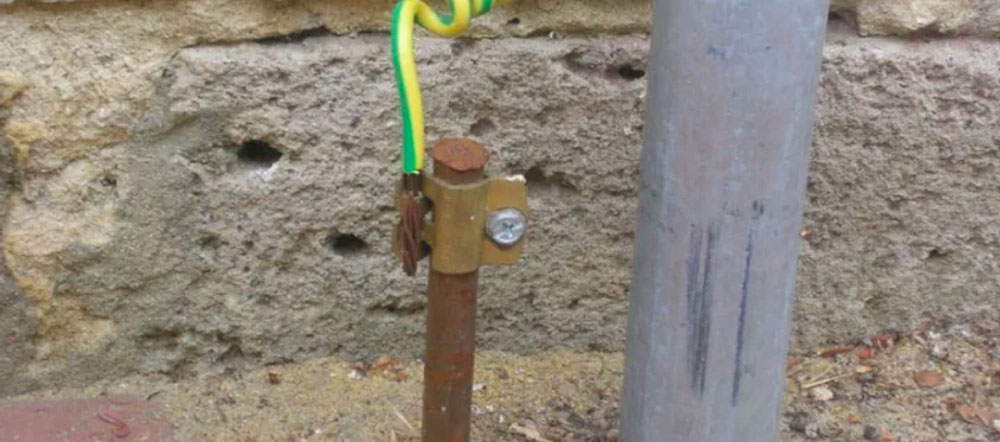 Copper rod used to create a TT earthing arrangement. Typically found in more rural parts of the UK.