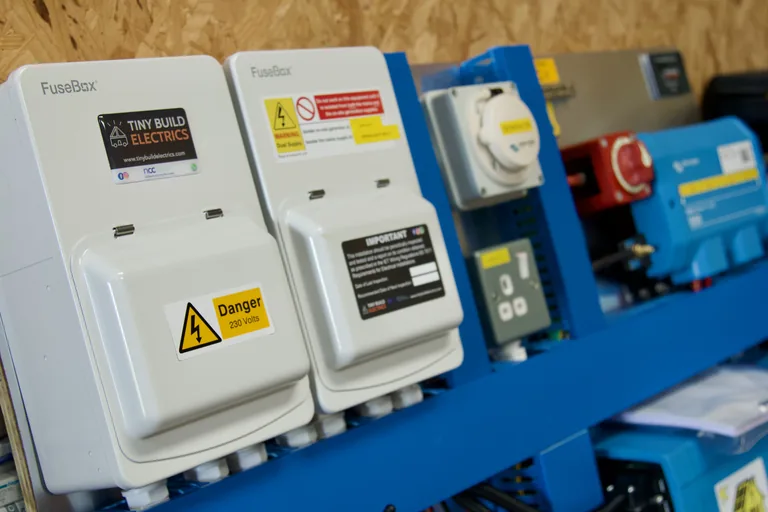
Quick answer: What is the difference between 12V and 230V systems in a campervan?
Most campervans run two separate 12V DC systems: the vehicle system that starts and runs the engine, and the leisure system that powers lights and appliances in the living space. 230V AC comes from mains hook-up or an inverter. Keeping the systems separate means you can use the living area with the engine off without flattening the starter battery.
A campervan has 12V and 230V electrics. On the 12V side there are usually two separate systems, because they serve two different purposes.
Quick answer
In short
A 12V and 230V campervan splits the work. The 12V side runs the leisure battery, lights, fridge, pump and fans, charged by solar, a DC-DC charger and a mains charger. The 230V side comes from campsite hook-up or an inverter and powers household appliances through its own consumer unit with RCD protection. Have the 230V side inspected and tested to BS 7671 by a qualified electrician.
- 12V: leisure battery and low voltage loads
- 230V: hook-up or inverter, via a consumer unit
- 30mA Type A RCD on hook-up, as a minimum
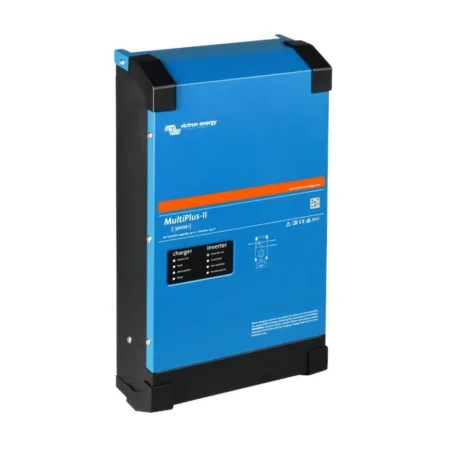
- We fit the Victron MultiPlus-II
On this page 5 sections
The first is the vehicle’s own electrical system, which powers the engine, lights and everything else you need for driving. It runs on 12V DC (direct current), and the alternator charges it while the engine is running.
The second system is the living area electrical system, also known as the leisure system. The leisure system powers appliances, lighting, and other devices inside the campervan. This system typically uses a 12-volt DC power source.
Keeping the two separate matters. The vehicle gets the power it needs without eating into what the living area has available. It also lets the leisure system work on its own, so you can still use appliances with the engine off.
The 12V campervan system
When it comes to building a campervan, one of the most critical systems to consider is the electrical system. Without a reliable power source, you won’t be able to power your lights, appliances, or even charge your devices. A campervan usually pairs a 12V setup with a 230V one, and this guide covers both.
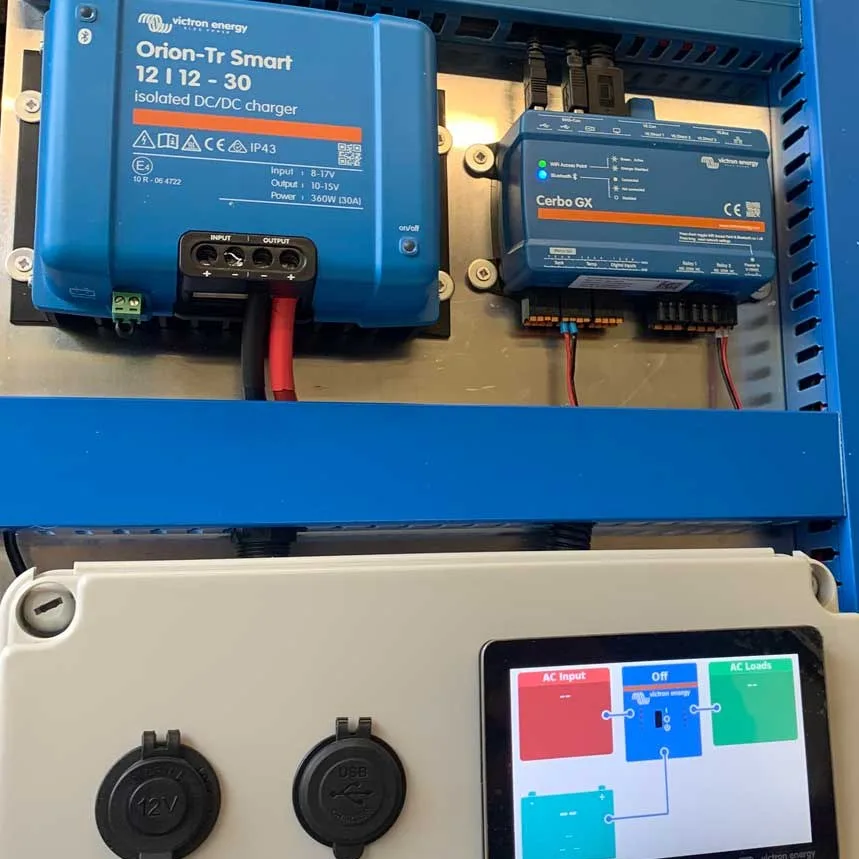
A 12-volt system is an extra low voltage (ELV) system, common in vehicles and boats. In a campervan, it consists of a battery, a charger or chargers, and various components that run on 12 volts DC. The battery is typically a deep-cycle battery, which can withstand multiple charge and discharge cycles without damaging the battery. Deep-cycle batteries deliver a steady supply of power over a long period, which suits a campervan.
Charging a 12v Battery
A charger tops the battery back up when it gets low. There are several ways of charging your leisure batteries, including solar panels, battery to battery chargers, and shore power chargers.
Solar panels are a popular option because they are quiet, efficient, and eco-friendly. You can mount them on the roof of the campervan and wire them directly to the battery.
Battery to battery chargers are another option that uses the vehicle’s alternator to charge the battery while driving.
Finally, a shore power charger takes over when you plug the campervan into an external supply, at home or on a campsite.
Once you have decided on which way you are going to charge your battery bank, you can begin to add components that run on 12 volts. Some common components include:
- 01
Lights
LED lights are energy-efficient and work inside and out.
- 02
Compressor Fridge
A 12-volt compressor fridge can keep your food and drinks cold without the need for propane or external power.
- 03
Water pump
A 12-volt water pump moves water from a fresh water tank to your sink or shower.
- 04
Fans
12-volt fans can help circulate air in your campervan and keep it cool on hot days.
- 05
Power outlets
You can install 12-volt power outlets or USB sockets to charge your devices or power other small appliances.

The 230V campervan system
With van life becoming ever more popular, many people are choosing to outfit their campervans with a 230 Volt Alternating Current electrical system.
Why do I need a 230V system in my campervan?
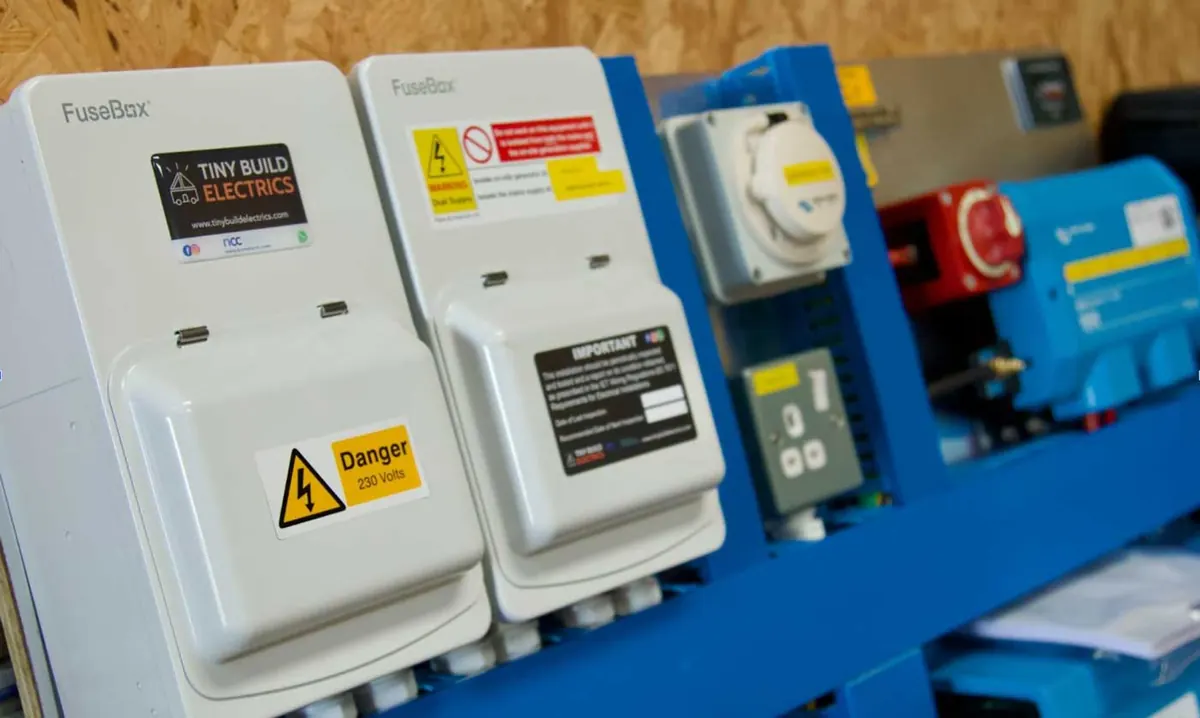
Unlike the 12V side, a 230V system in a campervan runs at the same voltage as a typical household electrical system. So it can run devices and appliances made for use in a home. However, it’s important to note that campervan electrical systems are not the same as household electrical systems and require some specific considerations.
Firstly, campervans require a power source to operate their electrical systems. This can come from a variety of sources including batteries, inverters, or external power hookups. If using external power hookups, it’s important to ensure that the power source is compatible with the campervan’s electrical system.
When it comes to installing a 230V electrical system in a campervan, it’s important to have a good understanding of electrical wiring and safety. We can help with the system you want to install and make sure it is safe and complies with British wiring regulations.
One important consideration with campervan electrical systems is the size and capacity of the system. The system has to handle the power needs of every appliance and device you will use in the campervan. Take into account what each device draws and also the total demand on the system as a whole.
Using an inverter to create a 230V system in your campervan
One of the primary advantages of incorporating an inverter into your campervan setup is the ability to access portable power wherever you go. With an inverter, you can convert the direct current (DC) from your leisure batteries into alternating current (AC), which is suitable for powering a wide range of electronic devices. That covers charging laptops, smartphones and cameras, and running small appliances such as refrigerators, lights or fans. So you keep the comforts of your tiny home while out in the great outdoors.
When selecting an inverter, safety should always be a top priority. High-quality inverters come equipped with various safety features, including surge protection, voltage regulation, and thermal overload protection. These safeguards prevent damage to your sensitive electronics and ensure a stable power supply. Moreover, reputable inverters undergo rigorous testing and certification processes to meet industry standards. By investing in a reliable inverter and following proper installation guidelines, you can enjoy a worry-free and secure power source during your campervan travels.

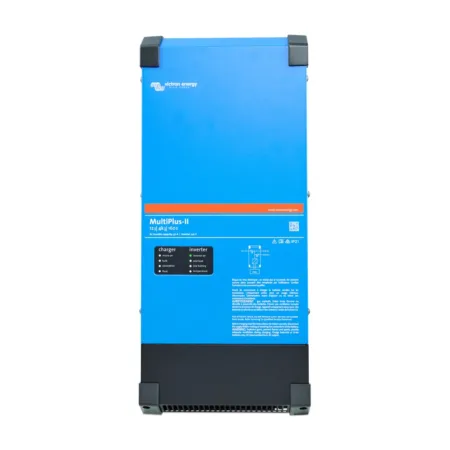

Connecting to mains hook-up
To connect your campervan to mains electricity, you’ll need a few essential items:
A high-quality, weatherproof, and durable mains hook-up cable appropriately sized to reach the power outlet on the campsite.
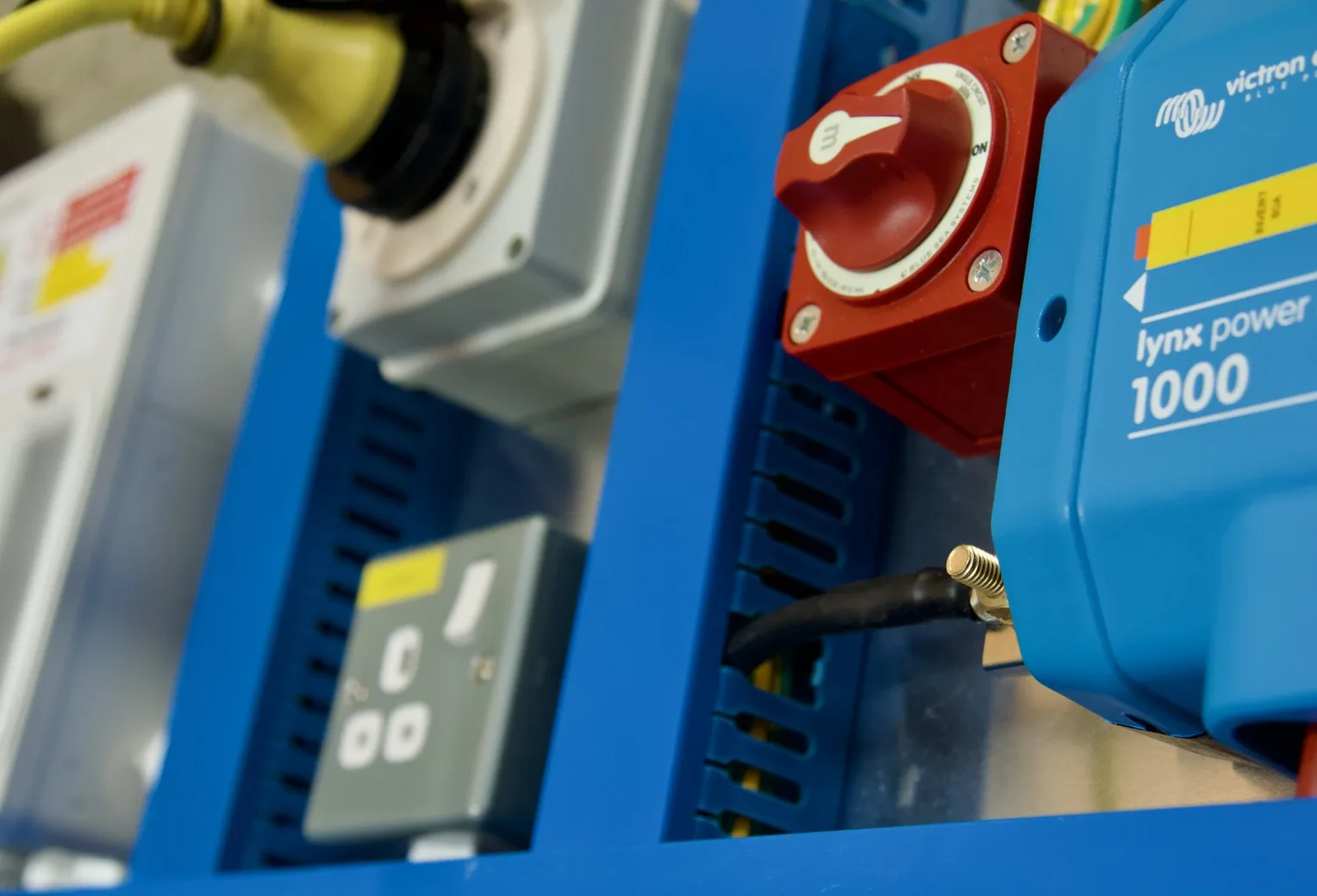
A suitable adapter plug, if necessary, to match the campsite’s power socket configuration. (If you plan to take your campervan to Europe, you may find you need an adapter plug).
Cable clips or ties to secure the cable and prevent it from being a tripping hazard.
A Polarity Tester: A mains polarity tester plug checks the suitability of mains hook up point with regard to earth live and neutral connections.
Note
As a minimum, the hook-up supply needs a 30mA Type A residual current device (RCD) for additional protection.
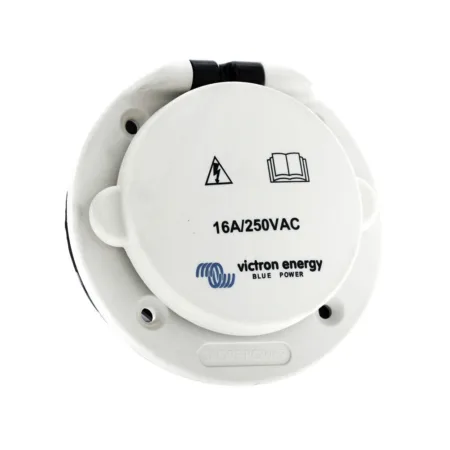
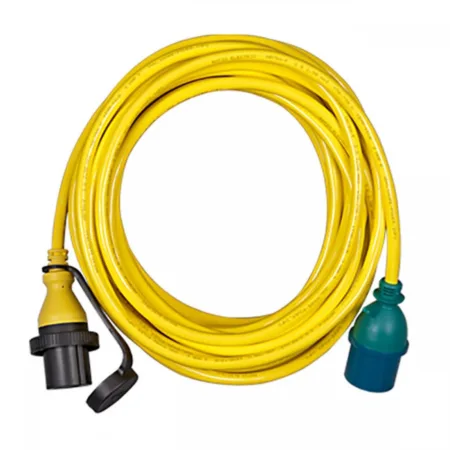
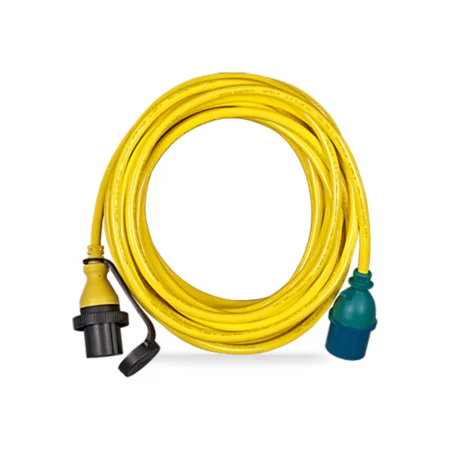
Hook-up safety
While plugging your campervan into mains electricity is relatively straightforward, safety should always be a top priority to:
Avoid using damaged or worn-out cables and plugs. Regularly inspect and replace them if necessary.
Keep the cables away from water, sharp objects, and excessive heat sources.
Use cable clips or ties to secure the cable along the ground, reducing the risk of tripping.
Never overload the electrical system of your campervan or the campsite’s power supply.
Always disconnect the mains hook-up cable and switch off the electrical system before driving or leaving the campsite.
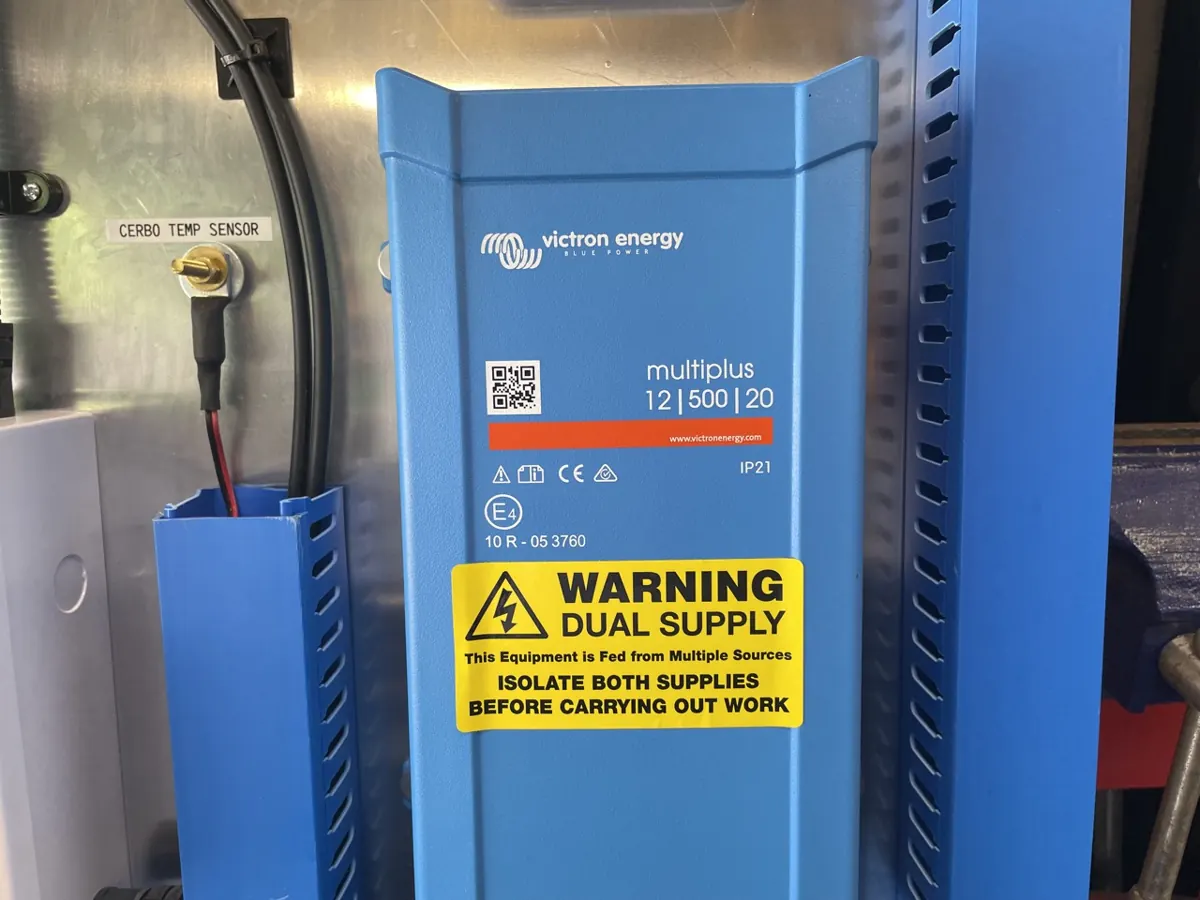
Using a polarity tester, ensure the power supply you’re connecting to is in the same orientation as your campervan’s.
Safety & Compliance
When you choose and install the 230V system in your campervan, the key question is how you keep the system and its users safe. In the UK, BS 7671 sets out the requirements and guidance for a safe and functional installation.

Earth the system properly and fit correctly sized circuit breakers and residual current devices to prevent overload and potential electrical fires. Additionally, insulate and secure all wiring properly to prevent damage and keep it safe.
Frequently asked questions
What is the difference between 12V and 230V systems in a campervan?
Most campervans run two separate 12V DC systems: the vehicle system that starts and runs the engine, and the leisure system that powers lights and appliances in the living space. 230V AC comes from mains hook-up or an inverter. Keeping the systems separate means you can use the living area with the engine off without flattening the starter battery.
Why does the hook-up RCD trip since I fitted an inverter charger?
There are usually two causes, and only testing tells you which one you have.
The first is leakage that adds up. An inverter charger and many appliances have mains filters that pass a tiny current to earth by design. Each one is harmless on its own, but together they can reach the trip point of the hook-up RCD, and everything the inverter charger feeds sits behind that RCD when you are plugged in.
The second is a real fault: a neutral touching earth, an extra neutral to earth link, or damp and poor insulation at the inlet or in the AC-in consumer unit. That matters, because it means the protective conductors may not be doing their job. Have the installation inspected and tested to BS 7671 (Section 721 covers caravans and motor caravans), including insulation resistance and the RCD itself. Never swap the RCD for a less sensitive one, remove it or bypass it.
About the reviewer: Tom Alderdice
Tom holds the 18th Edition (BS 7671) and inspection and testing qualifications, plus NCC training in caravan and motorhome electrics.
Tiny Build Electrics is an Authorised Victron Energy Installer. See Tom’s full qualifications