Designing effective campervan LED lighting is essential for both comfort and safety. A well-planned lighting system improves usability, reduces energy consumption, and ensures compliance with electrical regulations in motorhomes and campervans.
Quick answer
In short
Plan campervan LED lighting in layers: overhead, task, accent and low-level, with dimming where you relax. Split the lights across more than one circuit, so a single fault never leaves you in the dark. Choose fittings that cannot overheat in a timber-lined van, as BS 7671 Section 422 requires.
- Layer overhead, task and ambient light
- At least two lighting circuits
- Dimmable, warm white where you relax
- Fittings that stay cool in timber linings
On this page 9 sections
Interior campervan LED lighting
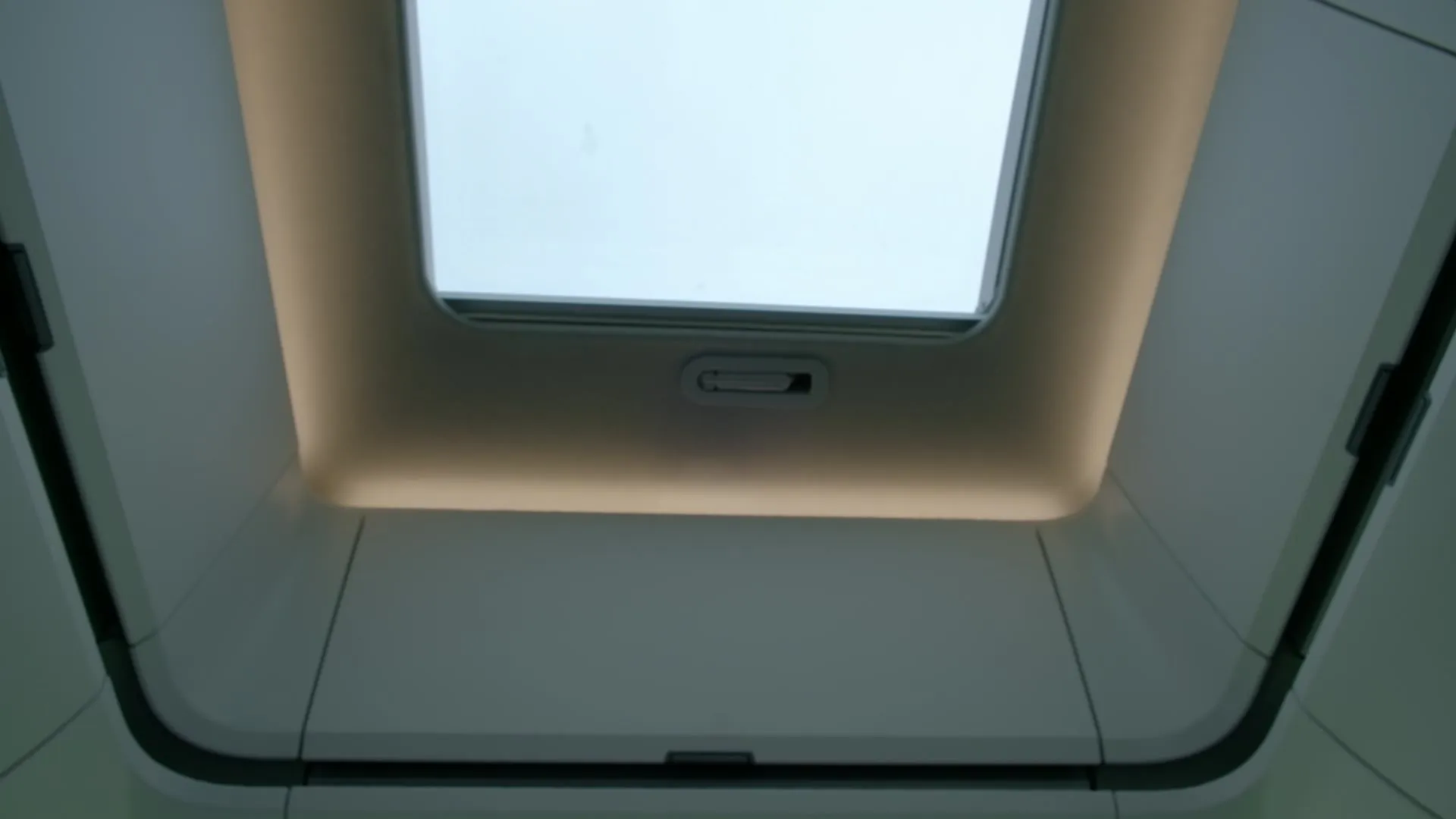
1: Overhead Lighting: Installing LED ceiling lights provides a bright and even illumination throughout the campervan’s interior. Choose fixtures with adjustable brightness so you can turn them down in the evening.

- 02
Task Lighting
Focus on specific areas where you need bright, direct lighting for tasks such as cooking, reading, or working. LED strips under cabinets or above workspaces work well for task lighting. They give plenty of light while staying discreet and saving space.
- 03
Accent Lighting
To add character and visual interest to your campervan, consider using LED strip lights to highlight architectural features, artwork, or shelving. You can run them under worktop edges, along furniture or beneath the bed frame for a warm glow.
- 04
Dimmers and Colour Temperature
Dimmers let you set the brightness to suit the moment. Additionally, LED lights with adjustable colour temperature enable you to switch between cool white for focused tasks and warm white for relaxation and comfort.

Exterior campervan LED lighting
Outdoor lighting around your campervan is essential for safety and extending your living space. LED lights are once again the ideal choice due to their energy efficiency and durability. Here are some areas where outdoor lighting can enhance your campervan experience:
- 01
Exterior Lights
Installing LED lights on the exterior of your campervan’s awning provides a pleasant, well-lit space for outdoor activities during the evening. Choose weatherproof LED strip lights or hanging lanterns that are easy to install and operate.
- 02
Step and Entrance Lighting
Ensure safe entry and exit from your campervan by illuminating steps and entrances. Mount LED step lights or motion-activated lights near the steps or at the base of the doors so you can see in low light.
- 03
Awning Lighting
If your campervan has an awning, LED string lights or lanterns turn it into a cosy outdoor room. These lights create a warm and inviting atmosphere, allowing you to relax and enjoy the night sky or entertain guests.

Parts for your build
You will find the LED lighting, switches and fusing we use in our shop.
Low-Light Techniques
Bright light isn’t always the goal. Sometimes low light makes the van feel better. Here are some techniques to embrace low-light areas:
- 01
Starry Ceilings
Create a dreamy atmosphere by incorporating fibre optic lights or LED string lights to mimic a starry night sky on the ceiling. This effect can be particularly magical during nighttime camping or when stargazing.
- 02
Indirect Lighting
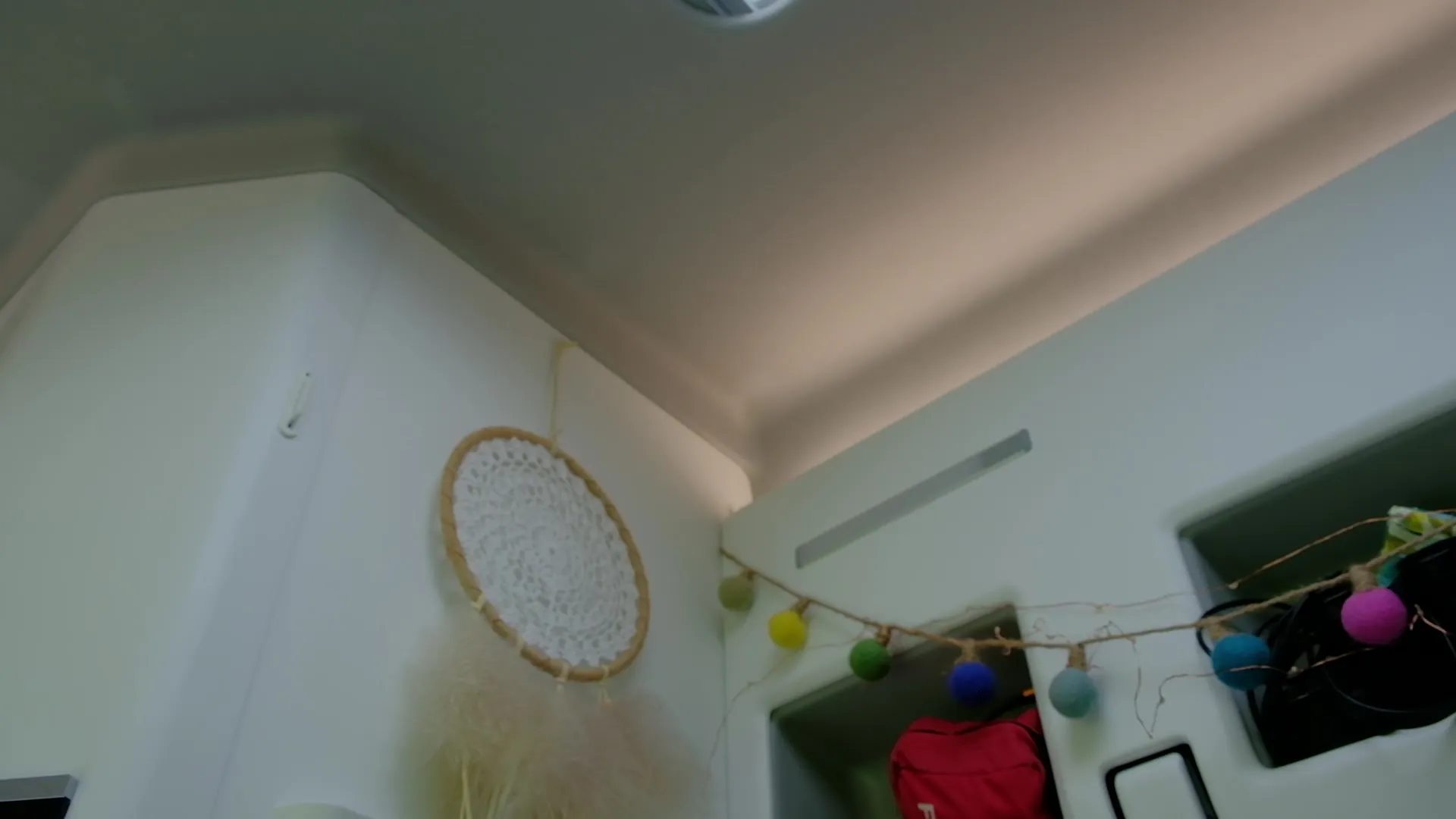
Avoid direct, harsh lighting by employing diffused or indirect lighting methods. Concealed LED strips behind panels or underneath furniture can provide a soft, gentle glow that adds depth and warmth to the space.
- 03
Bedside Reading Lights
Attach adjustable LED reading lights near your sleeping area to enjoy a cosy reading nook. Choose focused, adjustable lights so you don’t disturb your travel companions.
- 04
Soft Wall Sconces
Opt for soft wall sconces with warm LED lamps to create a relaxed and cosy environment. Place them near seating areas or beds.
Good campervan LED lighting balances function, energy use and atmosphere, so try a few arrangements before you fix them in place.

Separate LED lighting circuits
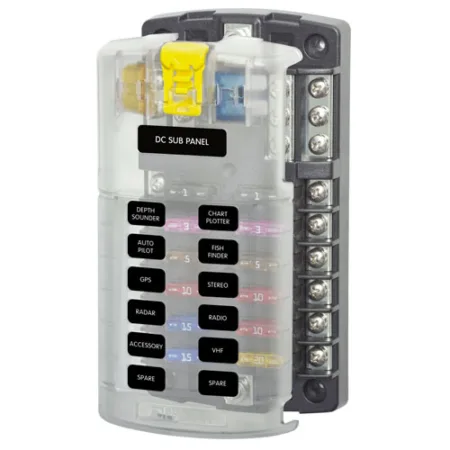
When you install campervan LED lighting, split it into several circuits. This is for a few reasons:
Safety: Electrical faults, power outages, or circuit trips can occur unexpectedly. Separate circuits mean a single fault is far less likely to leave you in complete darkness. This mitigates potential hazards and minimises the chances of accidents, falls, or confusion that may result from sudden darkness.
Maintenance and repair: Separated lighting circuits facilitate maintenance and repair work. If one lighting circuit needs attention, you can isolate and work on it without losing the lights elsewhere. This saves time and allows for more efficient maintenance practices.

Light-Emitting Diodes (LEDs)
An LED is a semiconductor device that emits light when an electric current passes through it. It operates on the principle of electroluminescence, wherein electrons recombine with electron holes within the device, releasing energy in the form of photons. This process generates light, with the colour determined by the materials and structures used in the LED.
Why LEDs suit a campervan
- 01
Energy Efficiency
One of the primary advantages of LEDs is their exceptional energy efficiency. Traditional incandescent bulbs waste a significant amount of energy as heat, whereas LEDs convert a higher percentage of electrical energy into visible light. As a result, LEDs consume significantly less power to produce the same amount of illumination, leading to reduced energy consumption and lower electricity bills.
- 02
Longevity
LEDs last a remarkably long time. On average, LEDs can operate for tens of thousands of hours, far exceeding the longevity of incandescent and fluorescent lights. This extended lifespan reduces the frequency of replacements, minimising waste and contributing to environmental sustainability.
- 03
Environmental Friendliness
LED lighting is inherently eco-friendly due to several factors. Their energy efficiency reduces the demand for electricity, resulting in lower greenhouse gas emissions from power plants. Additionally, LEDs contain no toxic materials like mercury, which is present in fluorescent bulbs. This makes LEDs easier to dispose of and less harmful to the environment.
- 04
Versatility
LEDs come in a vast array of shapes, sizes, and colours, making them highly versatile for numerous applications. They offer flexibility in terms of colour temperature, allowing for different lighting effects, including warm or cool lighting for various settings.
- 05
Durability
LEDs are exceptionally durable and resistant to shock, vibrations, and extreme temperatures. This durability makes them ideal for harsh environments, such as outdoor lighting fixtures, automotive lighting, and industrial applications.
- 06
Instant Illumination
Unlike traditional lighting technologies that require warm-up time, LEDs provide instant illumination. Flip the switch and they are at full brightness straight away.

Guidance & Regulations Where Luminaires Are Concerned
BS 7671 defines a ‘luminaire’ as equipment which distributes, filters and transforms the light transmitted from one or more lamps and which includes all parts necessary for supporting, fixing and protecting the lamps, but not the lamps themselves, and where necessary, circuit auxiliaries together with the means for connecting them to the supply.
This definition contains a footnote regarding lamps: ‘lamps include devices such as light emitting diodes (LEDs).
Section 422 of BS 7671
Precautions where particular risks of fire exist
This segment of the regulations covers special conditions and precautions where there is a particular risk of fire, such as timber-constructed buildings (touring caravans and motorhomes).
In particular, Regulation 422.1.2 requires electrical equipment shall be so selected and erected that its normal temperature rise and foreseeable temperature rise during a fault cannot cause a fire.
The regulation further requires the previous shall be achieved by the construction of the equipment or by additional protection during erection. This requirement places a duty on the designer to ensure the temperature rise of electrical equipment, both under normal and fault conditions, does not increase the risk of fire to the property.
Planning your campervan LED lighting
Good campervan LED lighting makes a big difference to how a van works day to day and how it looks.
LED lights are the most popular choice due to their energy efficiency and longevity. Combining ambient, task, and accent lighting can create a well-lit and versatile interior space. Remember to maximise natural light whenever possible, as it can greatly contribute to the overall comfort and ambiance.
Campervan LED lighting FAQs
How many lighting circuits should a campervan have?
At least two, so a single fault never leaves you in the dark.
What colour LED is best for a campervan?
Warm white, dimmable, where you relax, with brighter task lighting over the kitchen.
Can LED lights cause a fire in a campervan?
Any fitting that runs hot can. BS 7671 Regulation 422.1.2 requires equipment to be chosen and fitted so its temperature can’t cause a fire. In a timber-lined van, choose fittings that stay cool.
About the reviewer: Tom Alderdice
Tom holds the 18th Edition (BS 7671) and inspection and testing qualifications, plus NCC training in caravan and motorhome electrics.
Tiny Build Electrics is an Authorised Victron Energy Installer. See Tom’s full qualifications